Floor space beats levels
Cage volume is measured in height. Small animals live on the floor.
The sales pitch and the animal
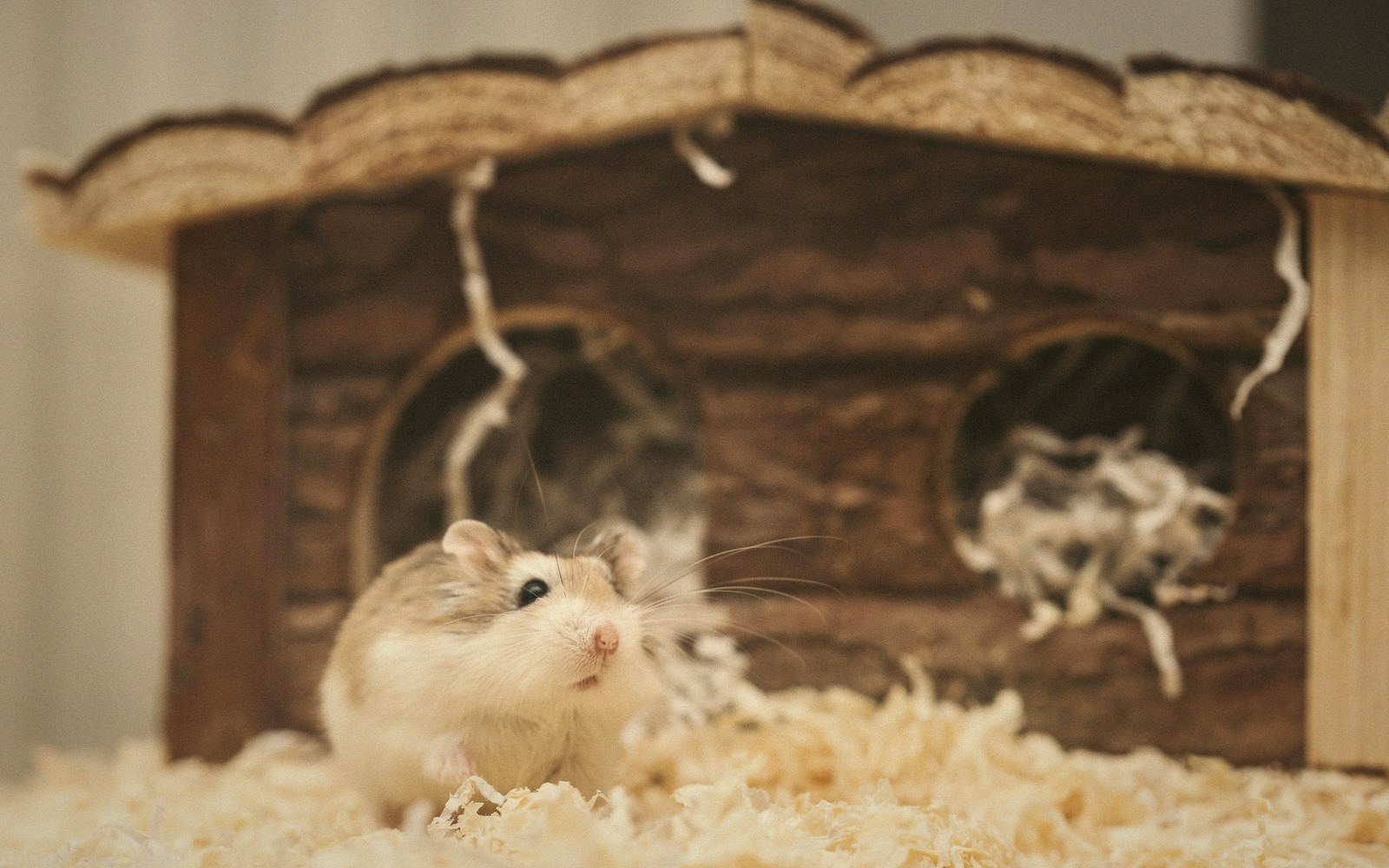
Walk into any pet shop and the cages on display rise vertically, each additional level presented as extra living space. The marketing logic is straightforward: more height, more tiers, more apparent room. The animal's logic is different. Hamsters, guinea pigs, rats, gerbils and mice are largely ground-dwellers. They forage across a horizontal plane — tracking scent trails, digging, pushing through substrate, returning to a nest site. Height, for most of them, is either irrelevant or a liability. A hamster placed on a high platform has not been given more habitat; it has been given a fall risk.
This matters because a cage that looks generous can deliver a floor plan that isn't. A tall, narrow enclosure with four platforms stacked inside it may offer less usable ground area than a low, wide box half its listed volume. When you're assessing a cage — at purchase or in use — the first measurement to check is the footprint: the base area from interior wall to interior wall. Levels added above that footprint do not compensate for it.
What the floor actually does
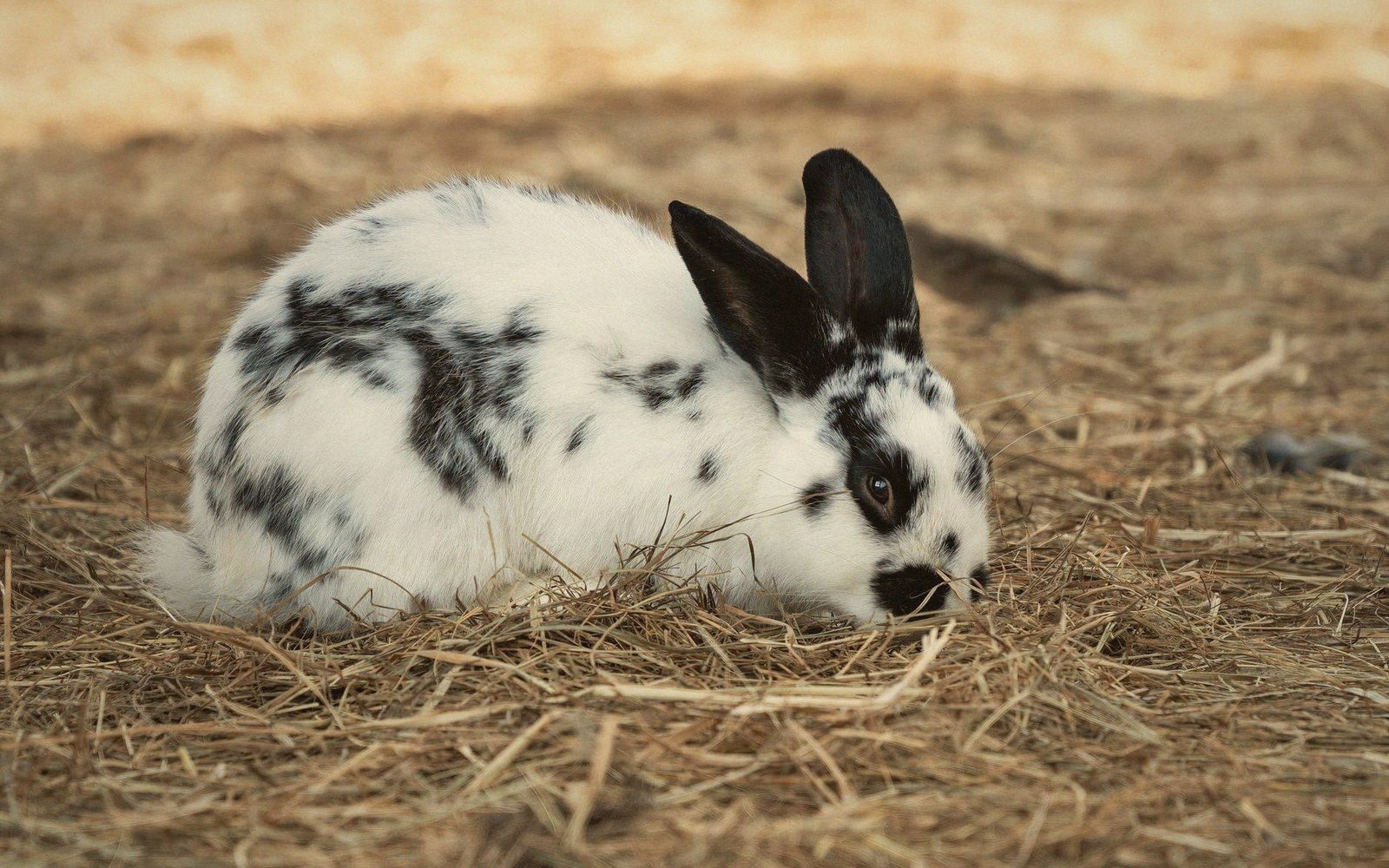
The floor is where the substrate lives, and substrate is not decoration — it drives humidity control, smell management, digging behaviour and cleaning frequency. A species that digs, like a gerbil or a hamster, needs enough floor area that the substrate can be deep enough across a meaningful proportion of the base; a cramped floor means thin substrate everywhere, which collapses the whole system. Guinea pigs, which do not climb at all, need floor area alone: ramps and platforms in their enclosures serve the keeper's sense of value for money, not the pigs.
Rats are the genuine exception. They are agile climbers, they use vertical space purposefully, and hammocks and high platforms are used, not ignored. Even so, the rule applies at the floor: the ground level should be spacious enough for normal locomotion and nesting, with height added to it rather than substituted for it.
Levels are not without value where they genuinely suit the animal. The point is substitution: a manufacturer who sells you height instead of footprint has given you something that photographs well rather than something that works. The animal that lives there will spend most of its waking time on the ground, ranging, digging and foraging — behaviours that require room to move laterally, not a ladder to climb. Measure the base. Add height if the species uses it. In that order.

The real measurement
- Footprint
- interior base area, wall to wall; the number that actually governs usable space
- Substrate depth
- only achievable across a meaningful floor area; collapses in a cramped base
- Levels
- useful only where the species uses vertical space purposefully (rats); not a substitute for floor area
EVBB is an independent publication about routine animal husbandry. It is not a veterinary service and offers no medical advice. For any health concern, consult a qualified veterinarian.