Planting an aquarium so the maintenance drops
A planted tank looks like extra work. Done right, it is less.
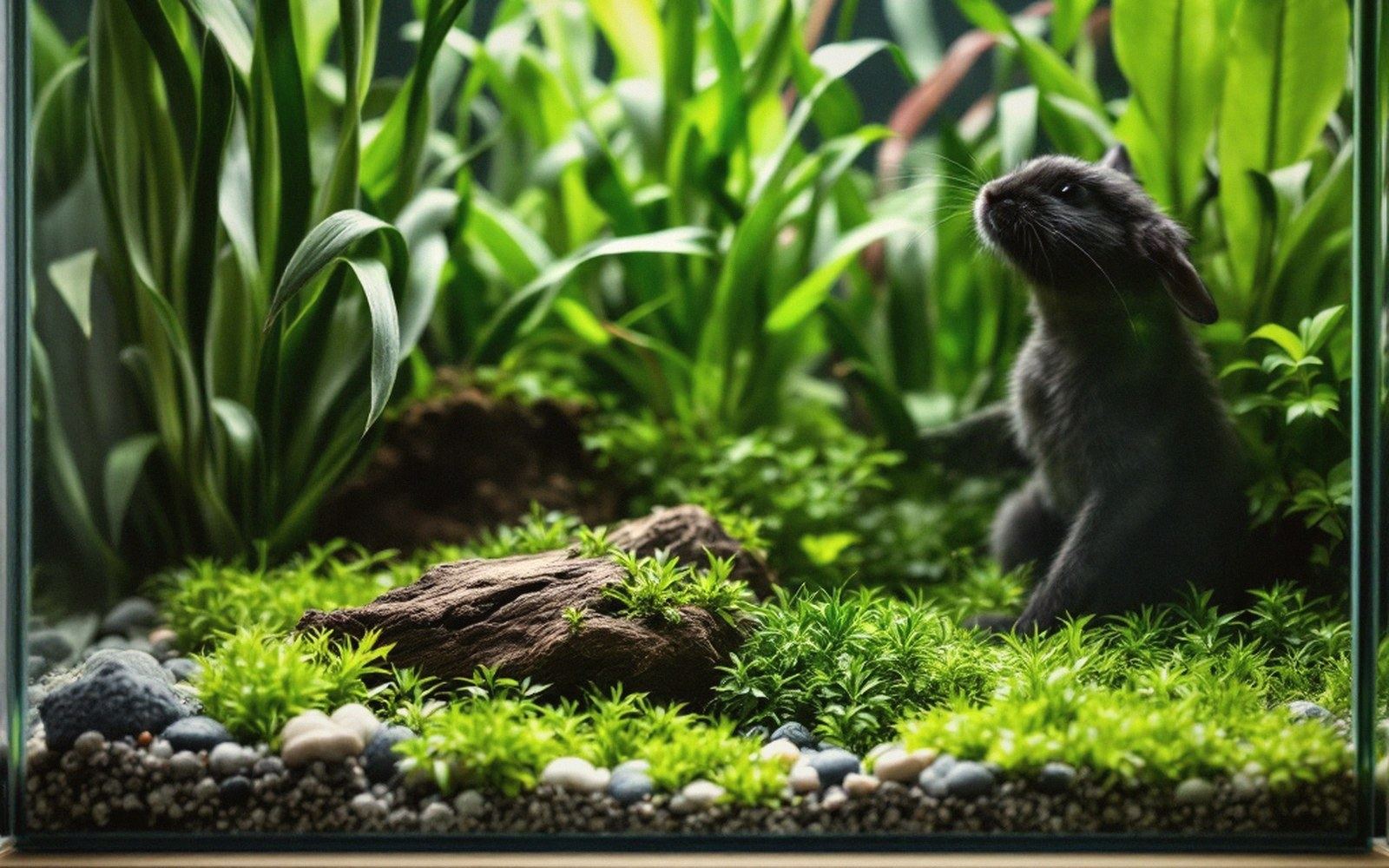
Why plants are the maintenance
Algae and aquatic plants want the same things: light, carbon dioxide, and dissolved nutrients. In a bare tank, every scrap of that resource belongs to algae. Add a dense, healthy stand of plants and they out-compete it — not because algae disappears, but because the plants take the nutrients first, consistently, faster. The result is a tank that stays clearer between cleanings, needs fewer water changes to keep nitrates in check, and smells less of the slow organic decay that characterises a lightly stocked, under-planted setup.
This is not a claim about aesthetics. It is about who wins the nutrient race every single day.
Getting the planting right from the start
The most common mistake is adding a few stems to an otherwise empty tank and expecting the biology to follow. It will not. Plants need to reach a critical mass — enough leaf area to genuinely process the waste being produced — before they stabilise anything. Under-plant and you get the worst of both worlds: maintenance demands of a planted tank with none of the chemical benefits.
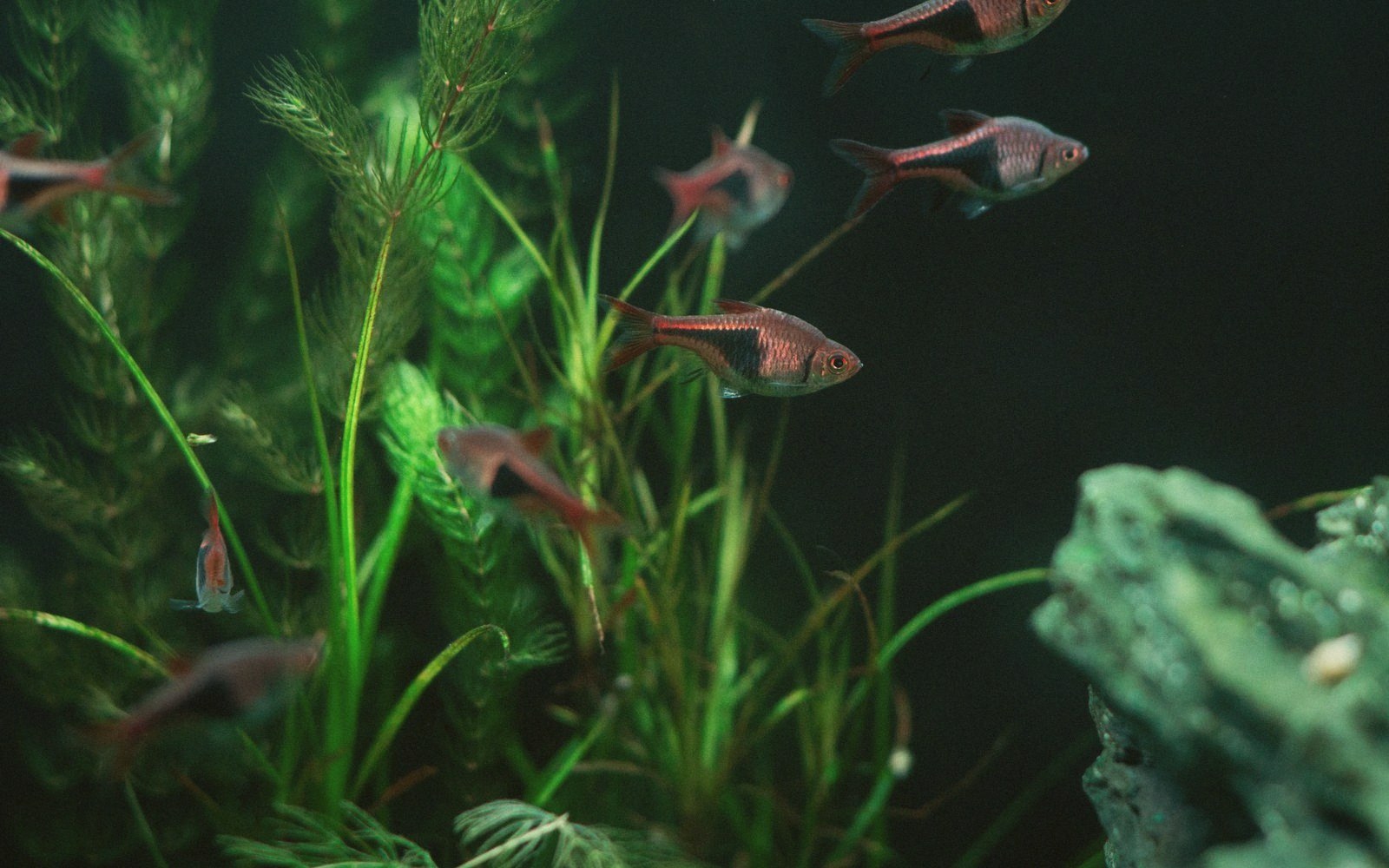
Start with fast growers. Species like hornwort (Ceratophyllum demersum), water sprite (Ceratopteris thalictroides), and the various Vallisneria varieties establish quickly, grow visibly week to week, and begin competing with algae almost immediately. Slower-growing foreground plants can come later, once the tank's nitrogen cycle is running cleanly and the fast growers are doing their job. Stem plants planted densely in the midground give you the fastest coverage for the least outlay.
Substrate matters. Inert gravel gives roots nothing to work with; a purpose-made aquatic planting substrate — the kind that holds nutrients at root level and softens water slightly — supports root-feeding plants through the lean early weeks when the water column is not yet rich enough to feed them from above. For stem plants that feed primarily through their leaves, plain gravel with liquid fertiliser works; for heavy root-feeders like Echinodorus (sword plants) or Cryptocoryne, a nutrient substrate makes a measurable difference.
Lighting is the variable most people miscalibrate. Too dim and plants stall while algae, which manages on less, thrives. Too bright and you fuel algae directly, especially if your plant mass is not yet dense enough to consume the nutrients it unlocks. A consistent photoperiod — the same hours every day, managed with a timer — matters more than raw intensity. Eight to ten hours is a widely used range; the exact figure should reflect your tank's light level and plant density rather than a fixed rule.
The maintenance that remains — and why it is less of it
A well-planted tank does not eliminate water changes; it reduces their frequency and urgency. Plants process ammonia and nitrate continuously, which means nitrate accumulation slows. The tank does not turn the corner from acceptable to problematic in the same short window. You gain time.
Pruning replaces some of that time. Fast-growing stem plants need trimming every couple of weeks; the cuttings replant easily, which thickens the stand further over time, which improves the competition with algae further still. This is the compounding logic of a planted tank: the more established it becomes, the less intervention it demands.

Algae does not vanish from a planted tank — it retreats. A weekly wipe of the front glass with a magnetic cleaner, and occasional attention to slower-growing leaves where spot algae takes hold, is the residue that remains. In a bare tank, that residue is the whole job.
The payoff is a tank that holds its water quality longer, looks better between sessions, and rewards the initial effort of planting properly rather than punishing you for it indefinitely. The bare tank feels lower-commitment at setup. After six months of more frequent interventions and persistent algae, the comparison looks different.
Plant densely early, choose fast growers first, give the roots something to work with, and keep the photoperiod consistent. The biology does the rest.
How the competition works
- Nutrients in the water column
- ammonia, nitrate, phosphate — feed both algae and plants; whichever consumes them faster wins
- Plant mass needs to reach critical density before the competitive advantage appears; a sparse planting behaves like a bare tank
- Consistent photoperiod (same hours every day, timer-controlled) stabilises the balance; erratic lighting disrupts it
Species and materials mentioned
- Hornwort (Ceratophyllum demersum)
- fast-growing, stems float or anchor, establishes quickly
- Water sprite (Ceratopteris thalictroides)
- fast grower, mid-to-background
- Vallisneria spp.
- grass-like, spreads by runner, good background coverage
- Sword plants (Echinodorus spp.)
- heavy root-feeders, benefit from nutrient substrate
- Cryptocoryne spp.
- slower-growing, root-feeding, foreground to midground
- Aquatic planting substrate
- nutrient-holding material at root level, distinct from inert gravel
- Magnetic glass cleaner
- for weekly front-glass algae removal without draining
EVBB is an independent publication about routine animal husbandry. It is not a veterinary service and offers no medical advice. For any health concern, consult a qualified veterinarian.