Substrate is not decoration
The floor of an enclosure is doing four jobs at once. Most people treat it as a fifth.
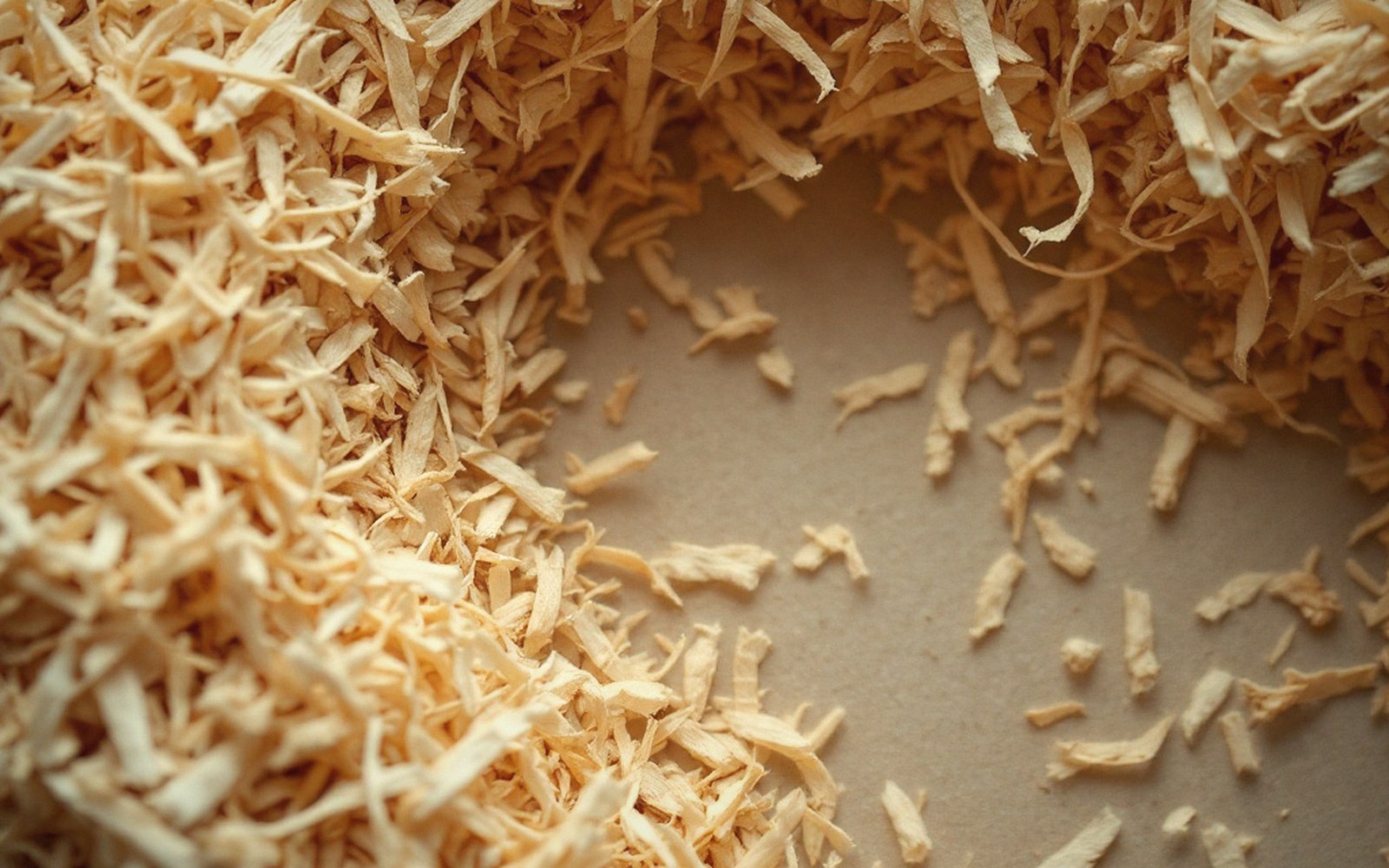
The four things substrate actually controls
What goes on the floor of a cage, tank or hutch governs humidity, odour, digging behaviour and cleaning frequency. None of those is cosmetic. Get the material wrong and you are fighting the consequences of that choice every single week.
Humidity is the one keepers tend to underestimate until it causes trouble. A substrate that holds moisture — cocofibre, organic topsoil, sphagnum — raises the ambient humidity inside the enclosure without any additional misting. For a tropical reptile or a dart frog vivarium that is the point. For a gerbil or chinchilla, it would be actively harmful; those animals need dry, loose material that does not clump around them or promote bacterial growth. Matching the substrate's moisture behaviour to what the animal genuinely needs is the first call, and it is non-negotiable.
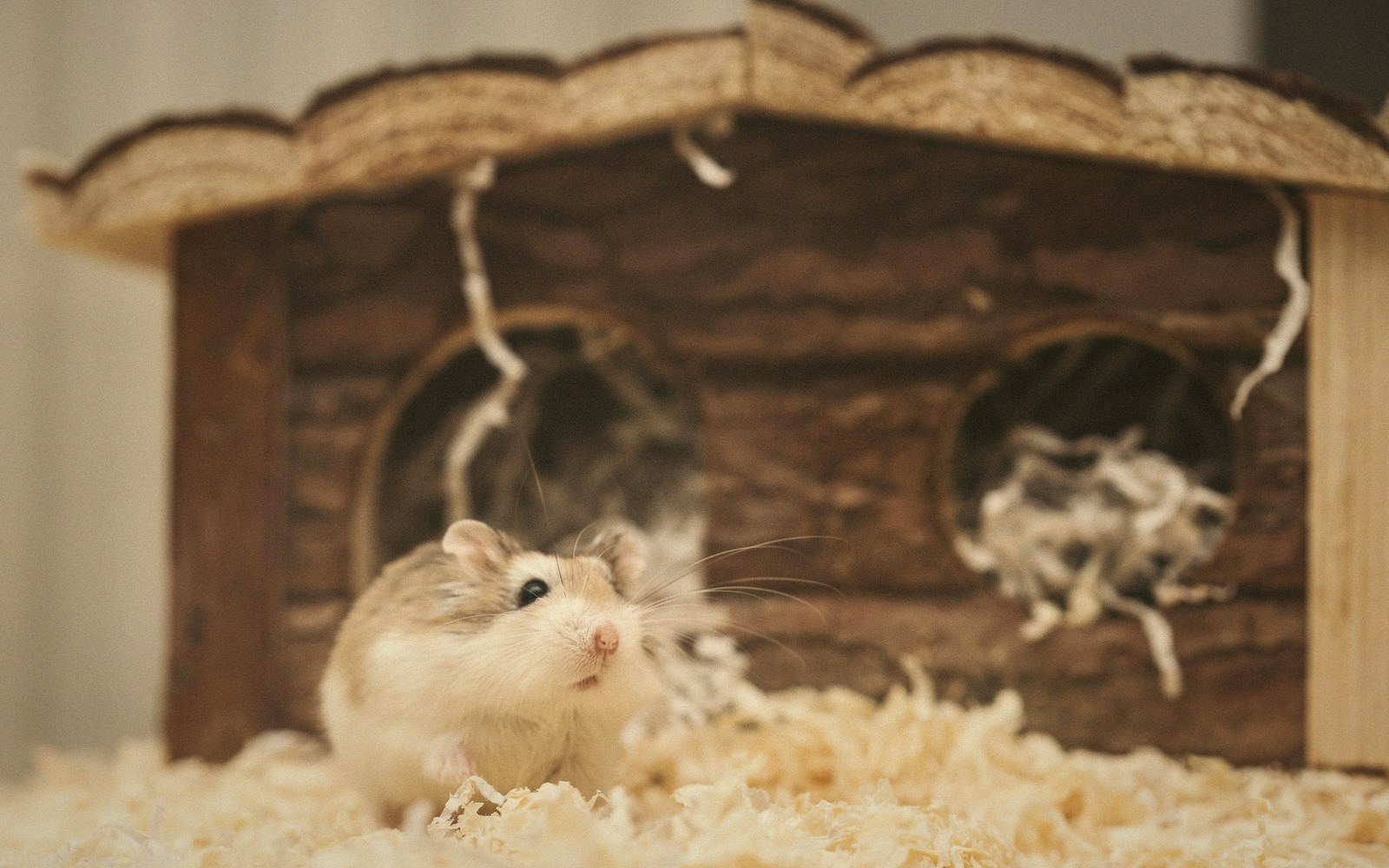
Odour is almost always a substrate problem disguised as a cleaning problem. Ammonia from urine binds to certain materials — paper pulp and hardwood shavings absorb it well; others simply trap it at the surface while the floor below stays wet. When an enclosure smells despite being spot cleaned daily, the substrate depth or material is usually at fault. Going deeper — a true digging layer, not a thin scatter — gives the animal somewhere to take waste away from the surface, which buys time and keeps smell down between full changes.
Digging is often dismissed as a quirk rather than a need. For rabbits, rats, hamsters, corn snakes and a wide range of burrowing reptiles, digging is how the animal regulates its own stress. A hamster prevented from burrowing does not stop wanting to burrow; it paces instead. The material has to be loose enough and deep enough to let proper tunnels form without collapse — which for a hamster with ambitions means considerably more depth than the thin layer sold as standard by most enclosure manufacturers. If the substrate compacts the moment it is touched, it is not functioning as substrate; it is functioning as carpet.
Why material choice changes your schedule
Cleaning frequency is the direct downstream consequence of everything above. A material that absorbs well, holds its structure and lets the animal move waste downward will stay liveable longer between full strips. A material that sits wet, compresses, or becomes anaerobic within days forces your hand. This is not a matter of working harder or less hard; it is a matter of choosing correctly at the start.
Some substrates also interact with what you put on top of them. Hay laid over wet cocofibre moulds faster than hay over dry aspen. Sand used as a burrowing substrate in a bioactive reptile enclosure behaves entirely differently from sand in a bare-bottom setup where it just sits under a heat lamp and desiccates. The substrate is a system, not a layer.
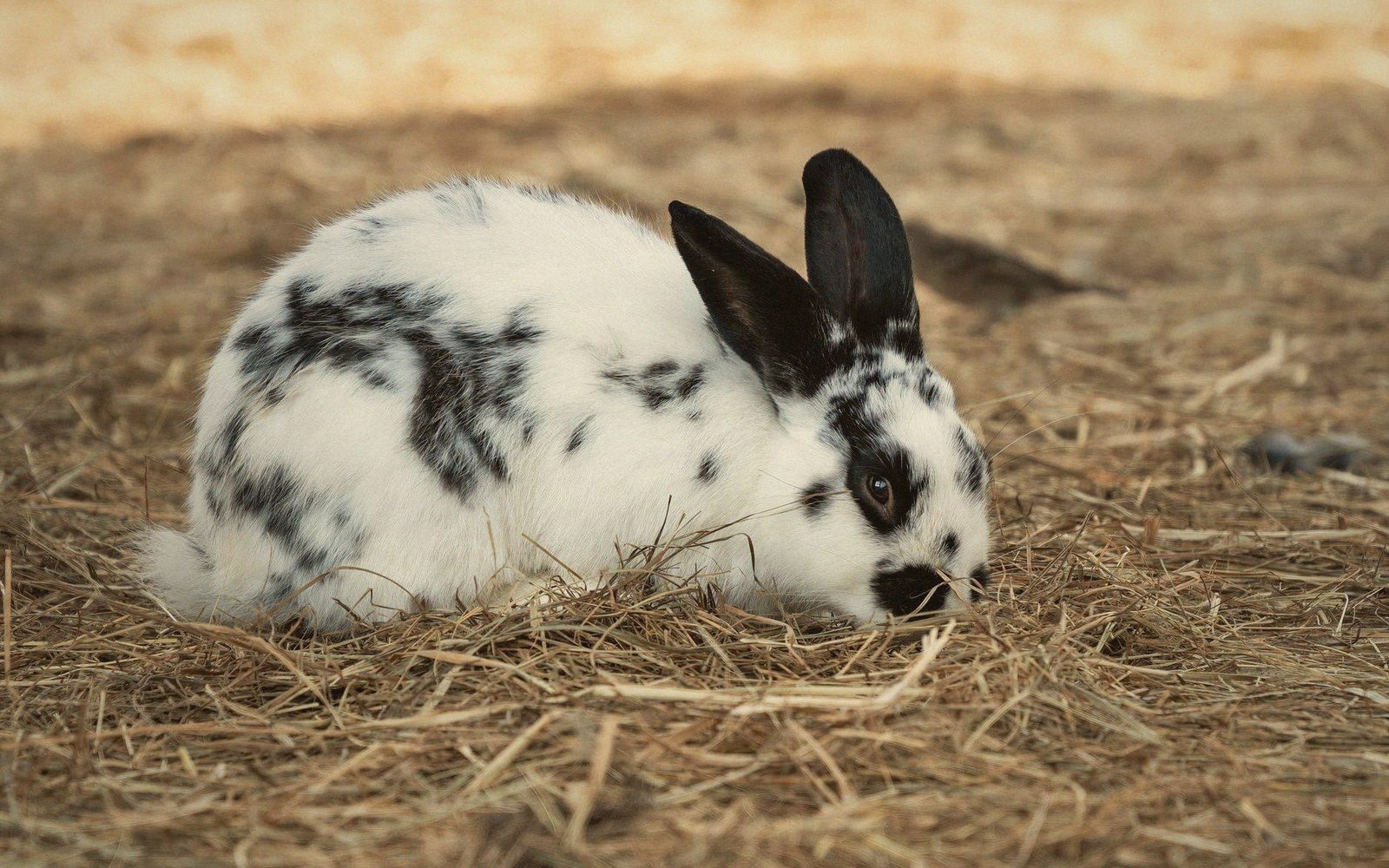
A note on what to avoid: cedar and pine shavings, widely sold, release aromatic compounds that irritate the respiratory tracts of small mammals. Kiln-dried pine is substantially less problematic than fresh-cut. Paper-based and aspen options sidestep the issue entirely. If a material smells strongly out of the bag, treat that as a signal worth heeding — the animal lives inside that smell continuously.
Full replacement frequency depends on species, enclosure size, the number of animals and how well the substrate is doing its job in the interim. A single dwarf hamster in a large, deep-substrate enclosure may need a full strip far less often than a pair of rats in a smaller cage with thinner coverage. There is no universal timetable; there is the timetable the enclosure's state tells you. Learn to read that rather than follow a calendar.
The floor is not background. It is infrastructure.
What the substrate is actually doing
- Humidity regulation
- retains or releases moisture; must match the species' environmental needs
- Odour control
- absorption depth and material type determine how long the floor stays tolerable
- Digging behaviour
- loose, deep substrate lets burrowing animals express a genuine need; compressed layers do not
- Cleaning schedule
- good substrate buys time; poor substrate forces more frequent full strips
EVBB is an independent publication about routine animal husbandry. It is not a veterinary service and offers no medical advice. For any health concern, consult a qualified veterinarian.