A hutch that survives February
An outdoor hutch that lasts is built against specific enemies: wind, damp and standing water. The roof, the legs and which way it faces matter more than the wood.
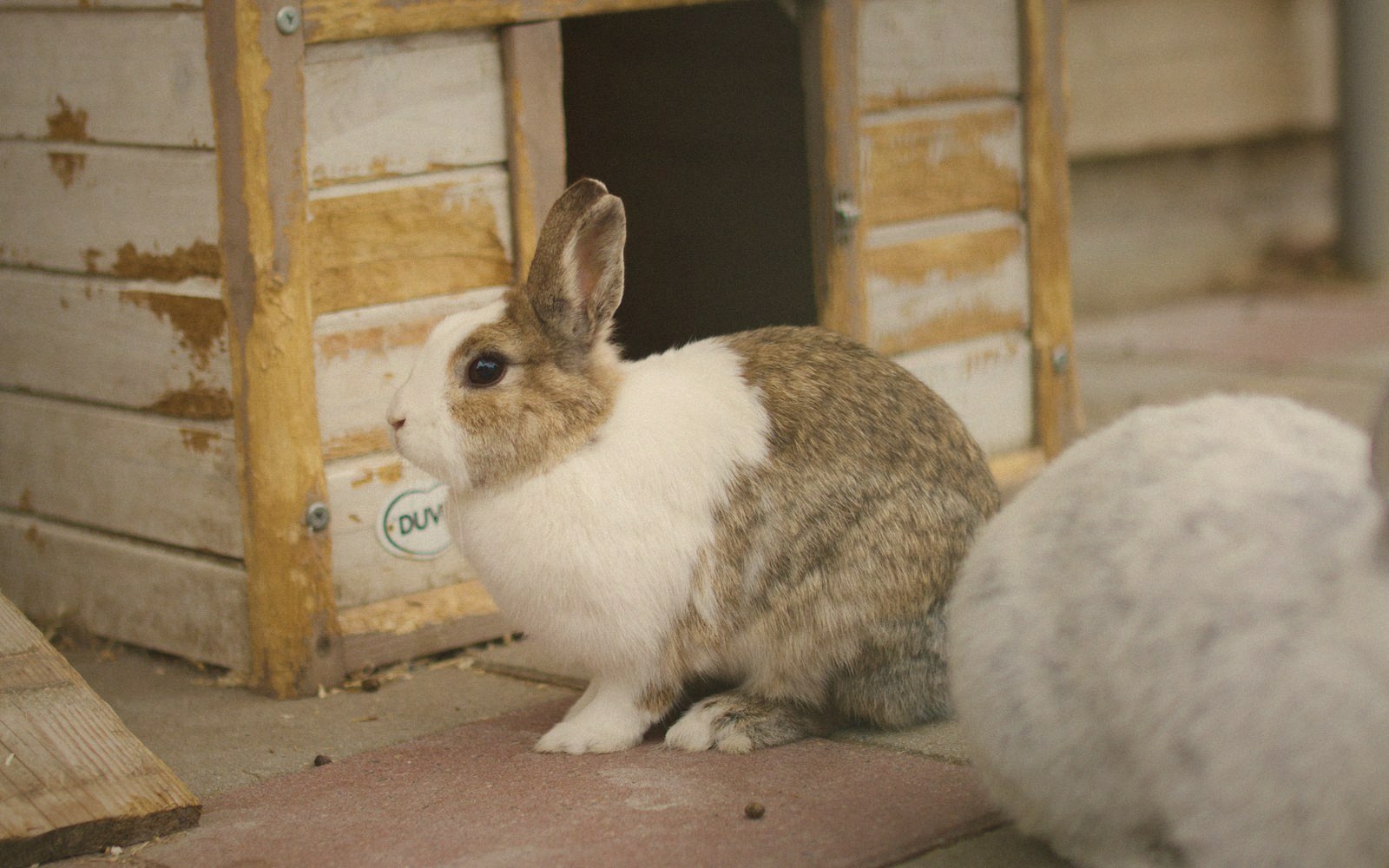
What February actually does to a hutch
Rain is the obvious one, but it is rarely what kills the structure. Water that pools under the base, wicks into end grain and cannot evaporate — that is the rot. A hutch sitting directly on a patio or lawn has nowhere to drain; moisture climbs the timber from the bottom up, and by spring the floor is soft underfoot. Legs, or a proper stand, solve this completely. Even a few inches of clearance let air circulate and rainwater run free, which extends the floor's lifespan measurably. Check that all four contact points are level, too — a hutch that rocks concentrates the load on two legs and stresses the joints.
The roof overhang is the second line of defence. A flat lid with no projection lets rain run straight down the front face, soaking the mesh, the door frames and the gap where the ramp sits. An overhang of several inches at the front and sides channels water clear of the timber below it. Roofing felt, replaced when it lifts or cracks, is the standard finish; it costs almost nothing and fails conspicuously when it needs doing, which is a useful property. Check the felt in autumn rather than in the depths of winter when repair is unpleasant.
Wind deserves its own attention. A hutch exposed on all sides loses heat rapidly from the sleeping compartment, and cold alone stresses an animal that would otherwise cope well. Positioning against a wall or fence immediately cuts one side of the exposure. A solid back — solid timber, not mesh — handles the prevailing weather. In the UK the prevailing wind comes from the southwest; placing the solid back toward that direction and the door side toward a sheltered corner makes a material difference. A hutch on a stand rather than directly against cold stone also avoids the structure acting as a conduit for ground chill.
Build it in, not onto it
The sleeping end is the part of the hutch the animal will actually use for warmth. It should be genuinely enclosed: solid on all four sides and the top, with an entrance hole rather than a wire-fronted door. Insulation added inside this section — a fitted wooden panel, a layer of cardboard replaced regularly — keeps retained warmth where it is generated. Some keepers fit a removable cover over the mesh section for the worst nights; whatever the method, it should not trap condensation inside, so leave a gap at the top or side for ventilation. A sealed box with no air movement is damp; damp is colder than cold dry air.
The run attached to a hutch needs the same winter thinking. A covered section keeps the ground dry enough to use on wet days; an entirely open run becomes unusable in sustained rain, and an animal that cannot get out of its sleeping area for days is not being kept well. Even a solid panel laid over half the run roof changes what is possible. Substrate is not decoration — bare wet ground is harder to spot-clean and stays cold, so a layer of suitable substrate in the covered section stays drier and gives the animal somewhere to move that is not saturated.
The maintenance the season demands
A winter hutch needs more frequent checks, not fewer. Bedding compresses and dampens faster in cold weather and needs replacing more often than in summer; a wet sleeping compartment is the one thing that undermines every structural measure above. Lifting the roof hatch or opening the sleeping section every day takes seconds and tells you immediately what the temperature and moisture level actually are, rather than what you think they are.
Check fastenings quarterly. Wood swells and contracts across the seasons and the screws, hinges and latches that were tight in October may work loose by February. A door that has dropped on its hinges lets cold air in exactly where the animal sleeps. Run your hand around the frame and mesh joins; the gaps that matter are not always obvious until you look for them.
The hutch that survives February is not the most expensive or the most elaborate. It is the one that drains, shelters, breathes and gets checked.
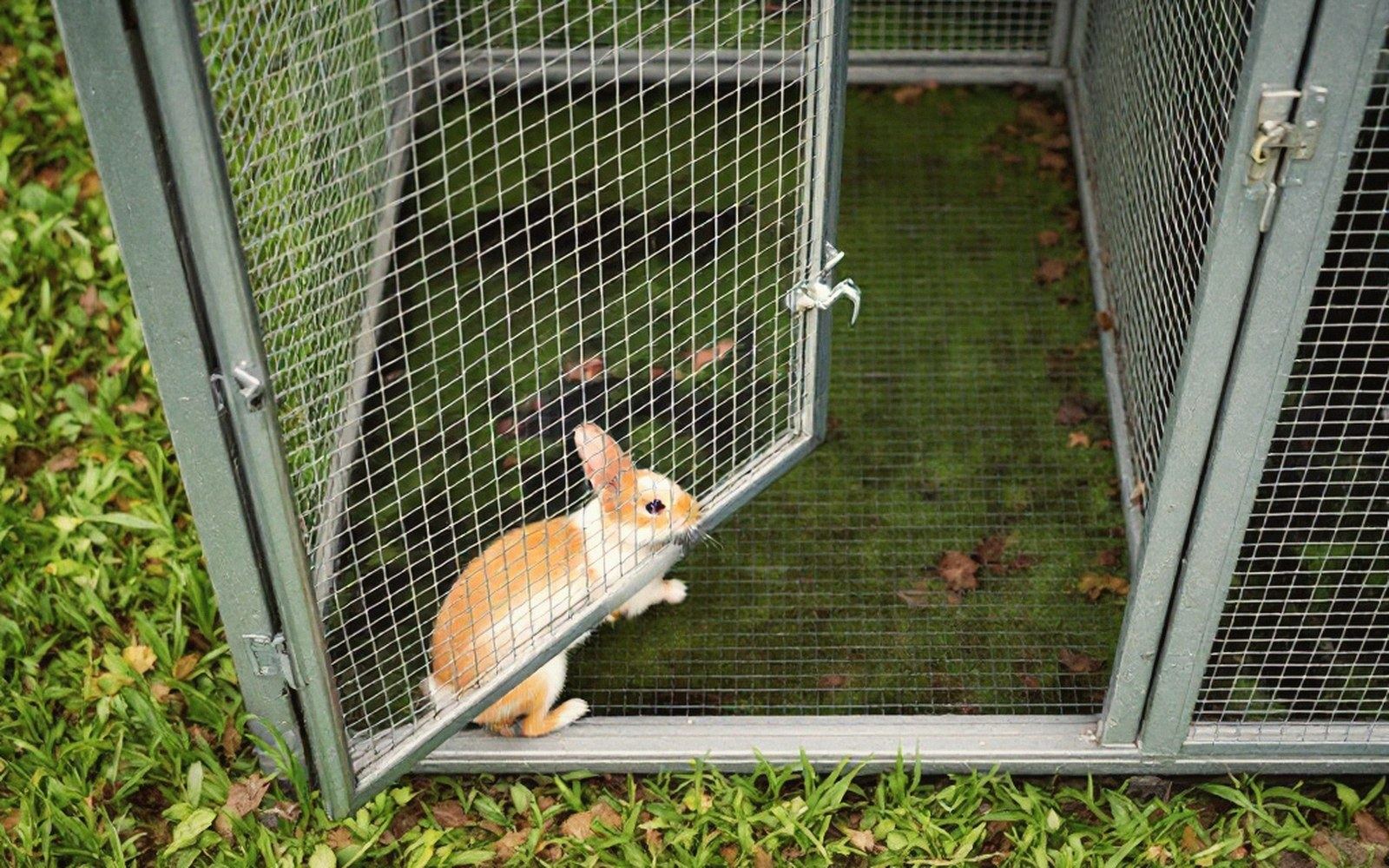
Structural priorities
- Raised off the ground
- legs or stand; any clearance allows drainage and airflow
- Roof overhang
- several inches front and sides; felt replaced when it lifts or cracks
- Solid back to the prevailing weather
- in the UK, typically southwest
- Solid sleeping end with entrance hole, not a wire door
- Run with at least a partial covered section
Maintenance calendar
- Dailylift the sleeping section, check bedding for damp and compression; replace as needed
- Autumninspect and replace roofing felt while weather is still workable
- Quarterlycheck screws, hinges, latches; re-tighten anything that has worked loose
- After stormscheck for lifted felt, sprung joins, pooling under the base
EVBB is an independent publication about routine animal husbandry. It is not a veterinary service and offers no medical advice. For any health concern, consult a qualified veterinarian.