Filing instead of clipping
A file removes material one thin layer at a time — which is exactly why it belongs in your toolkit even if you already own clippers.
Why the margin of error is smaller than it looks
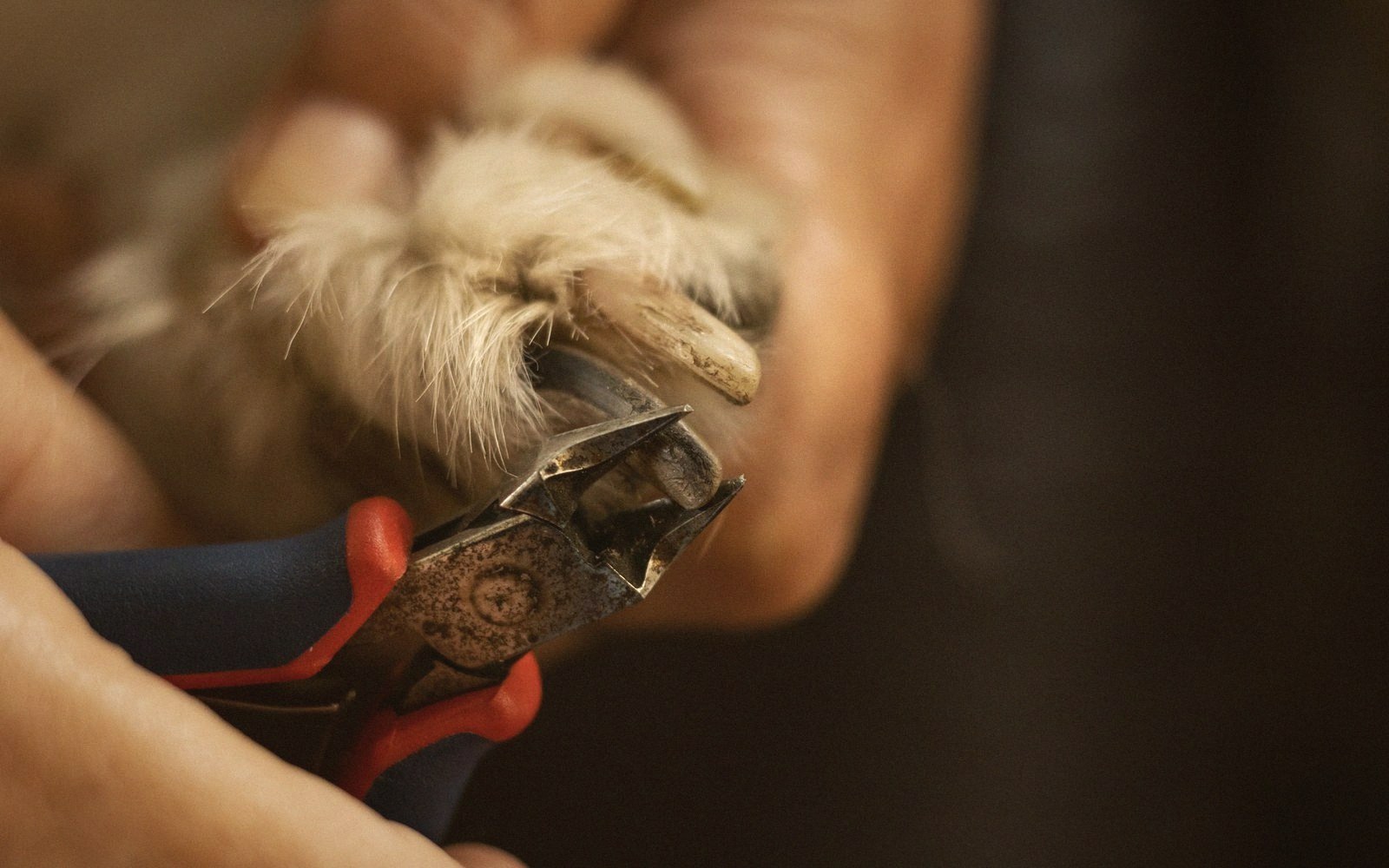
The quick — the blood vessel and nerve that run through the centre of the claw — does not stop at the base. In pale claws you can see it as a pink column, and most people already know to stay clear of it. What surprises keepers is how far it travels toward the tip in dark claws, where it is invisible. Clippers remove a wedge of material in a single motion: commit to the wrong spot and you have committed fully. A file removes a thin layer with each stroke, which means you can work toward the target in increments and stop the moment the cross-section starts to look different — slightly softer in texture, slightly paler in colour, a faint waxy sheen where the living tissue begins.
That margin of error is the whole argument for filing. It does not replace clippers for an overgrown claw that needs significant length removed quickly, but for finishing, for nervous animals, and for keepers who are still learning where the quick actually sits, a file is the more forgiving tool.
What kind of file, and how to use it
A coarse-grit emery board, a flat nail file designed for human use, or a purpose-made pet nail file all work. The material removed per stroke varies with grit: coarser takes more, finer takes less. Start with a medium grit and adjust from there. What matters more than the file itself is the direction of the stroke — always away from the animal, following the natural curve of the claw tip, and with the claw held still rather than chased. Bracing the paw firmly against your palm gives you control; trying to file a moving target gives you nothing.
Work one claw at a time and keep sessions genuinely short, especially at the start. The vibration of filing is unfamiliar to most animals and some find it more unsettling than the clean snap of clippers. Pairing each session with something the animal actively enjoys — food, contact, rest — builds tolerance over time. This is the same logic that applies to handling that does not escalate: stop while the animal is still calm, not after it has already decided the session is a threat.
Filing as the whole job, or as the finish after clipping
Some keepers use a file exclusively: short regular sessions every week or two, taking a little from each claw and never risking a cut. This works well for small animals, birds whose nails can be maintained on textured perches but occasionally need direct attention, and any dog or cat whose claws grow slowly enough that full clipping is only needed occasionally.
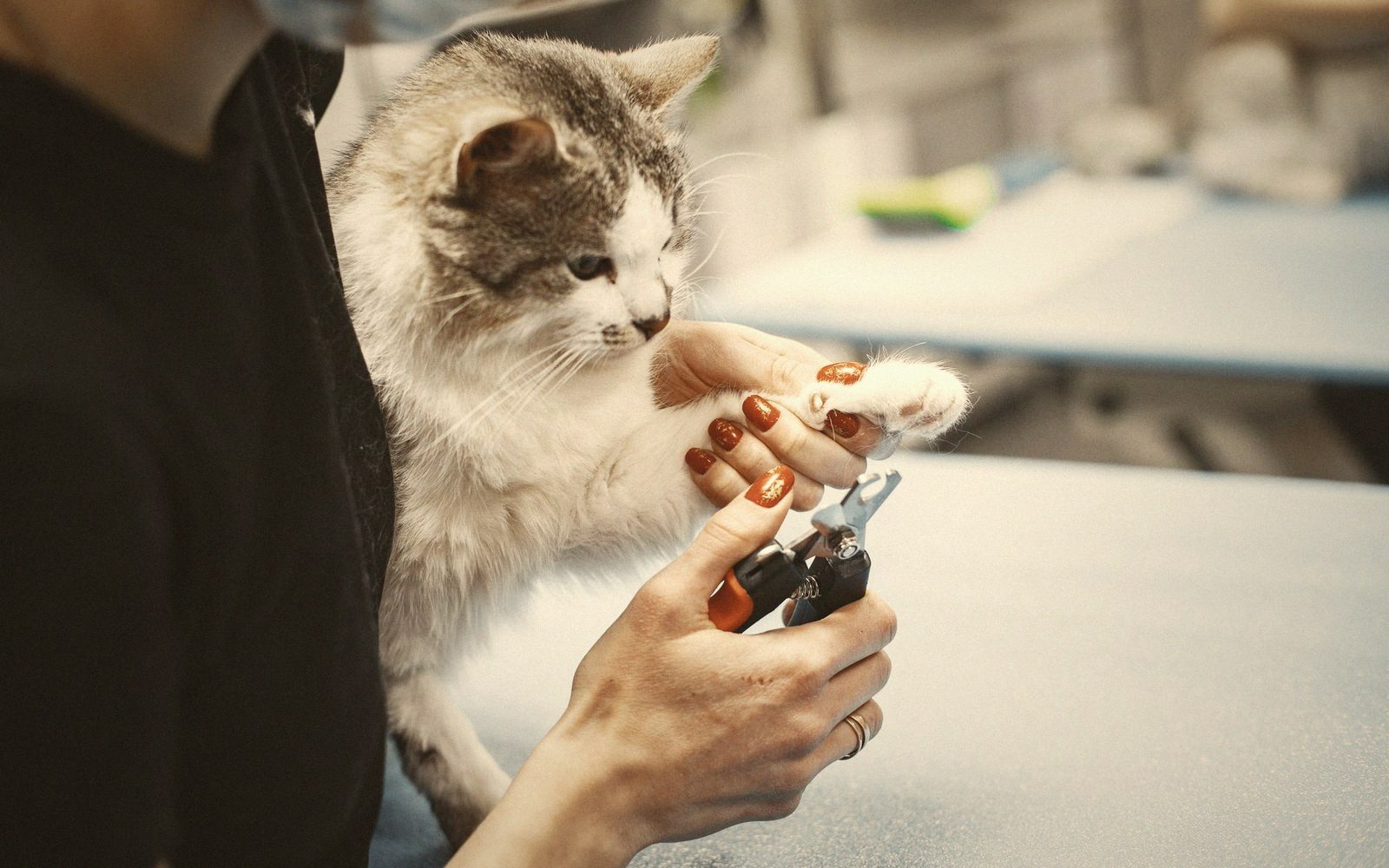
The more common approach is to clip first — removing most of the unwanted length in one motion — and then file the result. Raw clipper cuts leave a sharp, slightly rough edge. On a dog that walks on hard surfaces this wears down on its own, but on an animal with limited outdoor time, or after any clip, a few strokes of a file smooths the tip, removes any splintering and leaves a shape that is less likely to snag. It takes under a minute per paw once the animal is used to it.
Whichever approach you use, frequency matters more than method. A claw that is maintained regularly stays at a manageable length, and the quick takes longer to creep back toward the tip. The inverse is also true: let them grow long and the quick advances with them, reducing how far back you can safely take the claw next time. Short sessions, often — that is the actual maintenance rule, whether you are holding a file, clippers, or both.
The two-tool relationship
- Clippers
- remove bulk length in one stroke; committed, less forgiving
- File
- removes material in thin layers; incremental, easy to stop before the quick
- Combined approach
- clip first to remove excess, file to finish and smooth the edge
- File-only approach
- works for slow-growing claws, small animals, or nervous subjects
EVBB is an independent publication about routine animal husbandry. It is not a veterinary service and offers no medical advice. For any health concern, consult a qualified veterinarian.