Brushing a rabbit that would rather not
Thin skin, a strong kick, and a coat that will mat if you ignore it.
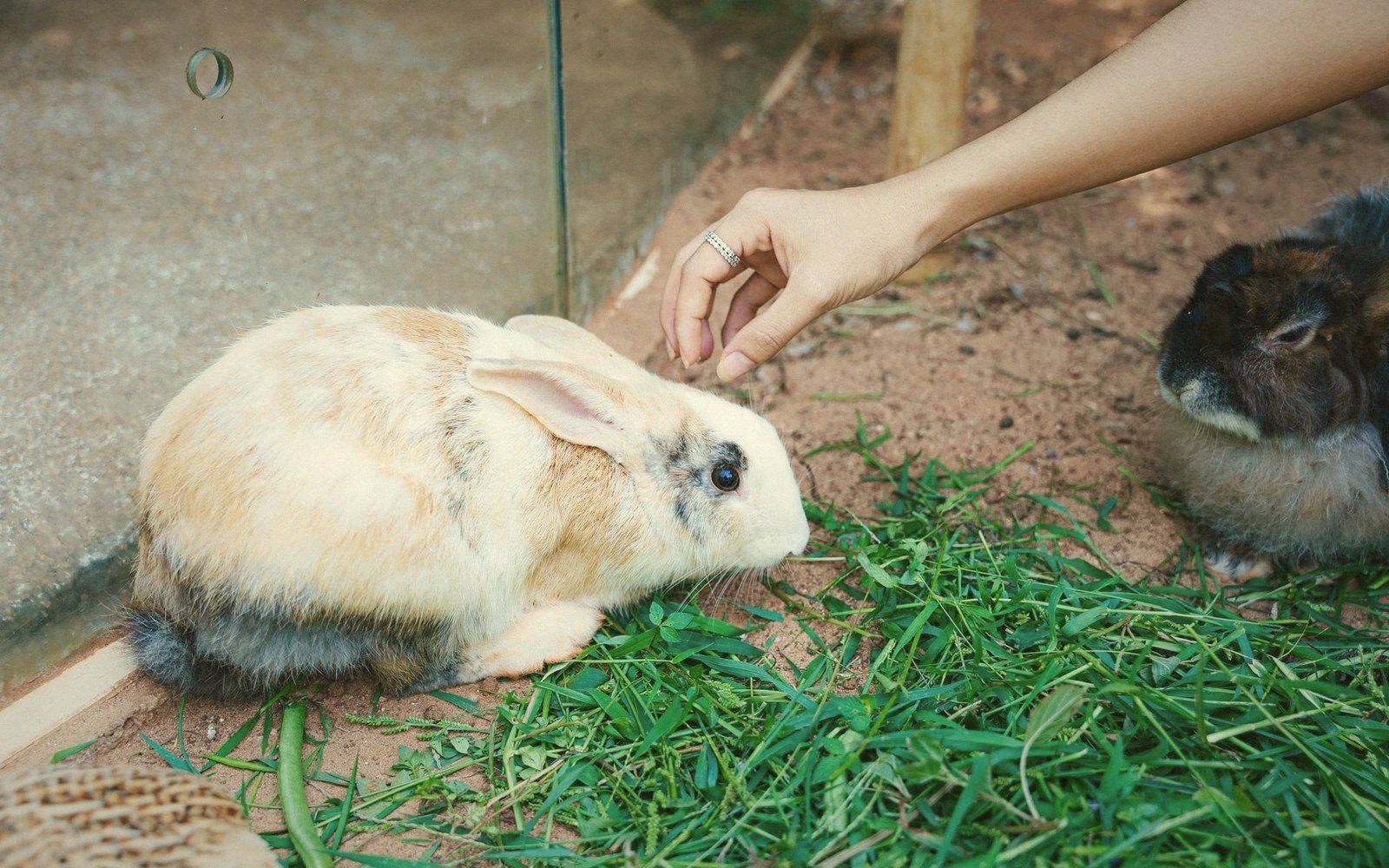
Rabbits are not built to be groomed. Their skin tears more easily than a dog's or cat's, their instinct when restrained is to struggle, and a hard kick from the back legs — delivered at the wrong angle — can injure the spine. None of that means the coat looks after itself. Loose fur that isn't removed gets ingested, and unlike cats, rabbits cannot vomit it back up. The job is non-negotiable; the method just has to respect what you're working with.
Set the session up before you pick the rabbit up
Short, frequent sessions outperform long occasional ones by a wide margin. A few minutes every two or three days — daily during a moult — keeps loose fur manageable and keeps the rabbit habituated to the process. Pick a surface with grip; a rubber mat on a table works well. A rabbit that can't get traction panics faster than one that feels planted.
Use a soft-bristled brush or a fine-toothed flea comb — not a slicker with metal pins, which can drag and scratch. Work with the direction of the coat, not against it. Short, light strokes. The skin is thin enough that you can move it with careless pressure, and moved skin over bone hurts. Around the hindquarters, where mats tend to form from sitting in damp bedding, be especially careful — part the fur gently to check what's underneath before you brush through it.
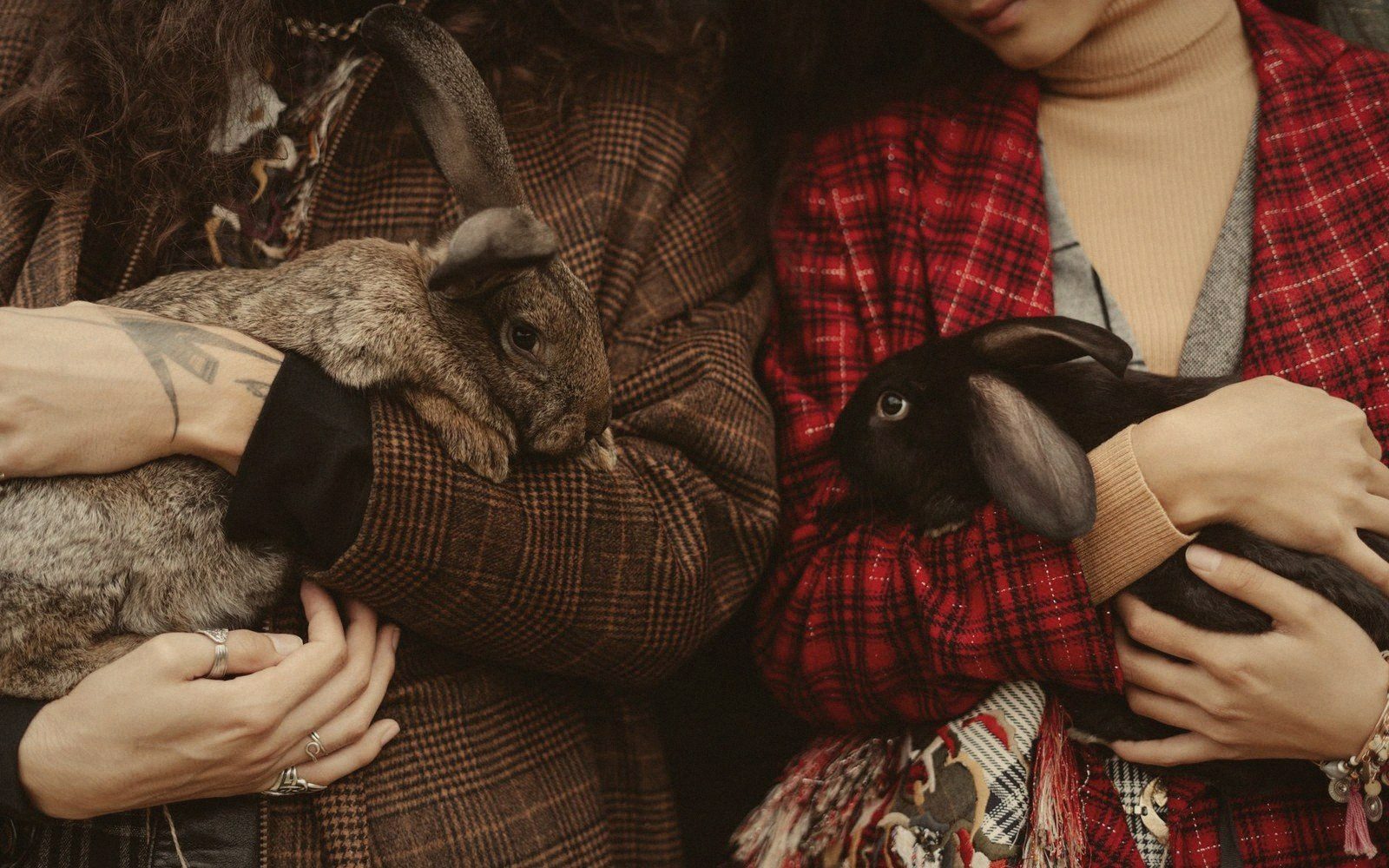
If you find a mat, do not pull. Work the edges loose with fingers first, then a comb, moving inward gradually. A mat that won't come free without real force needs scissors, used flat against the skin to cut the mat away — never the point toward the body. When in doubt, a vet or a rabbit-experienced groomer is the right call; mat removal on thin skin is not a task to rush.
Reading the rabbit
A rabbit that is freezing, pressing flat, or grinding its teeth is past the point of comfortable. Stop, put it down, and try again later. Thumping is annoyance; freezing is fear. Learning the difference saves the relationship between animal and handler. A rabbit that associates the brush with calm handling and a prompt return to its enclosure will tolerate the process far better over time than one that has been held through distress repeatedly.
Reward after — not during — with a small piece of leafy green. Timing matters: the good thing comes when the session ends, not as a distraction from it.
Key rules at a glance
- Moult frequency
- daily brushing needed during active moults; every two to three days in normal coat
- Tool
- soft bristle brush or fine-toothed comb; no wire-pin slickers
- Mat rule
- fingers first, then comb; scissors flat against skin as last resort before professional help
- Session length
- short and frequent beats long and occasional; stop at first signs of distress
EVBB is an independent publication about routine animal husbandry. It is not a veterinary service and offers no medical advice. For any health concern, consult a qualified veterinarian.