Beaks and the surfaces that keep them worn
A beak grows continuously, and what keeps it in shape is mostly what the bird is given to work on.
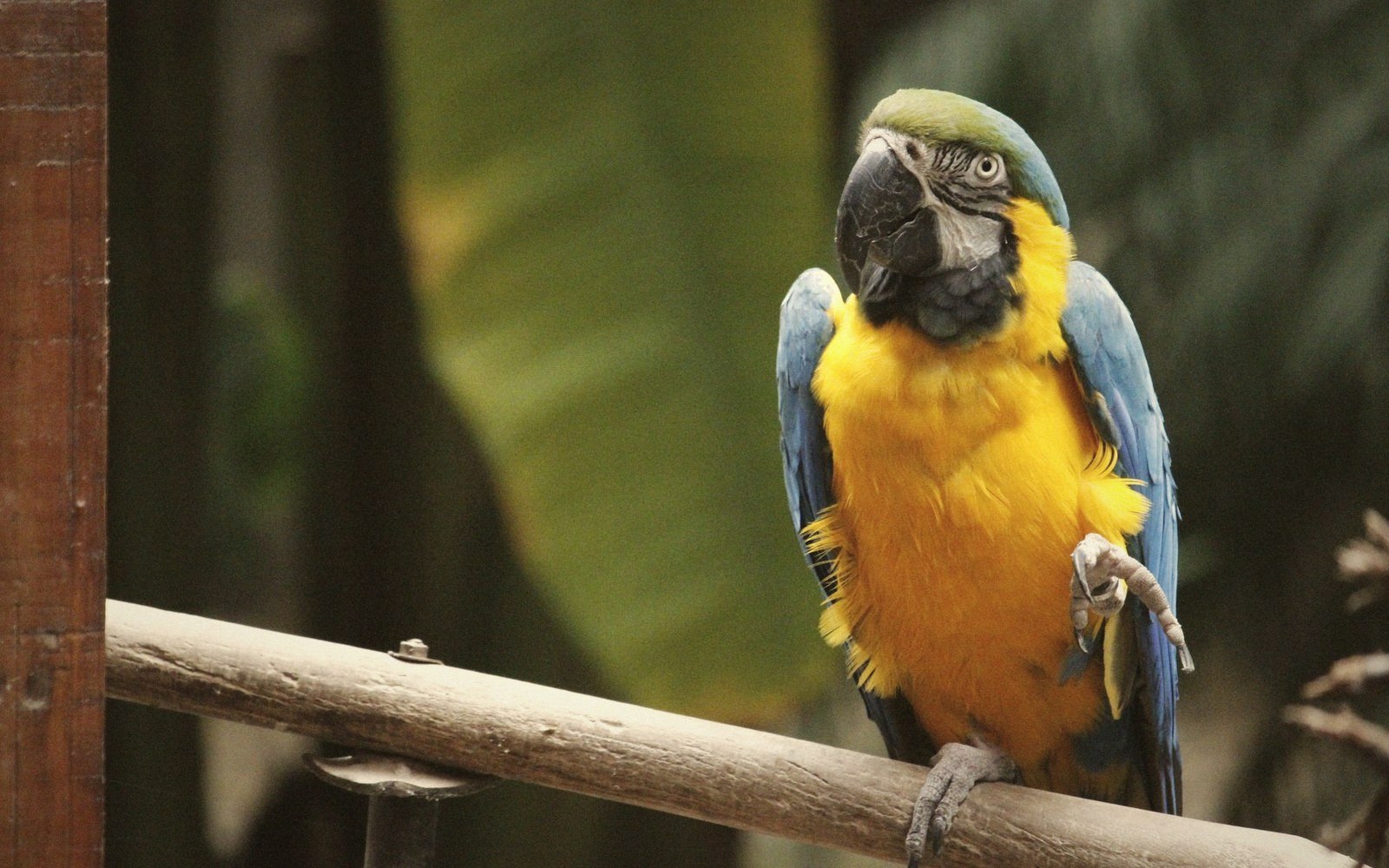
Give the beak something to do
Keratin grows from the base and wears from the tip and edges. In the wild, foraging — cracking seeds, stripping bark, digging in soil — provides enough abrasion to match the growth rate. In a cage or aviary, that process only happens if the keeper builds it in deliberately.
Hard food is the first tool. Whole seeds, nuts in shell, dried corn cobs and raw vegetables with firm flesh all require genuine effort to break down. Soft, pre-hulled or pelleted diets reduce the wear the beak actually gets, so birds eating them need the deficit made up elsewhere. This is not an argument against pellets; it is an argument for what else you put in the cage alongside them.
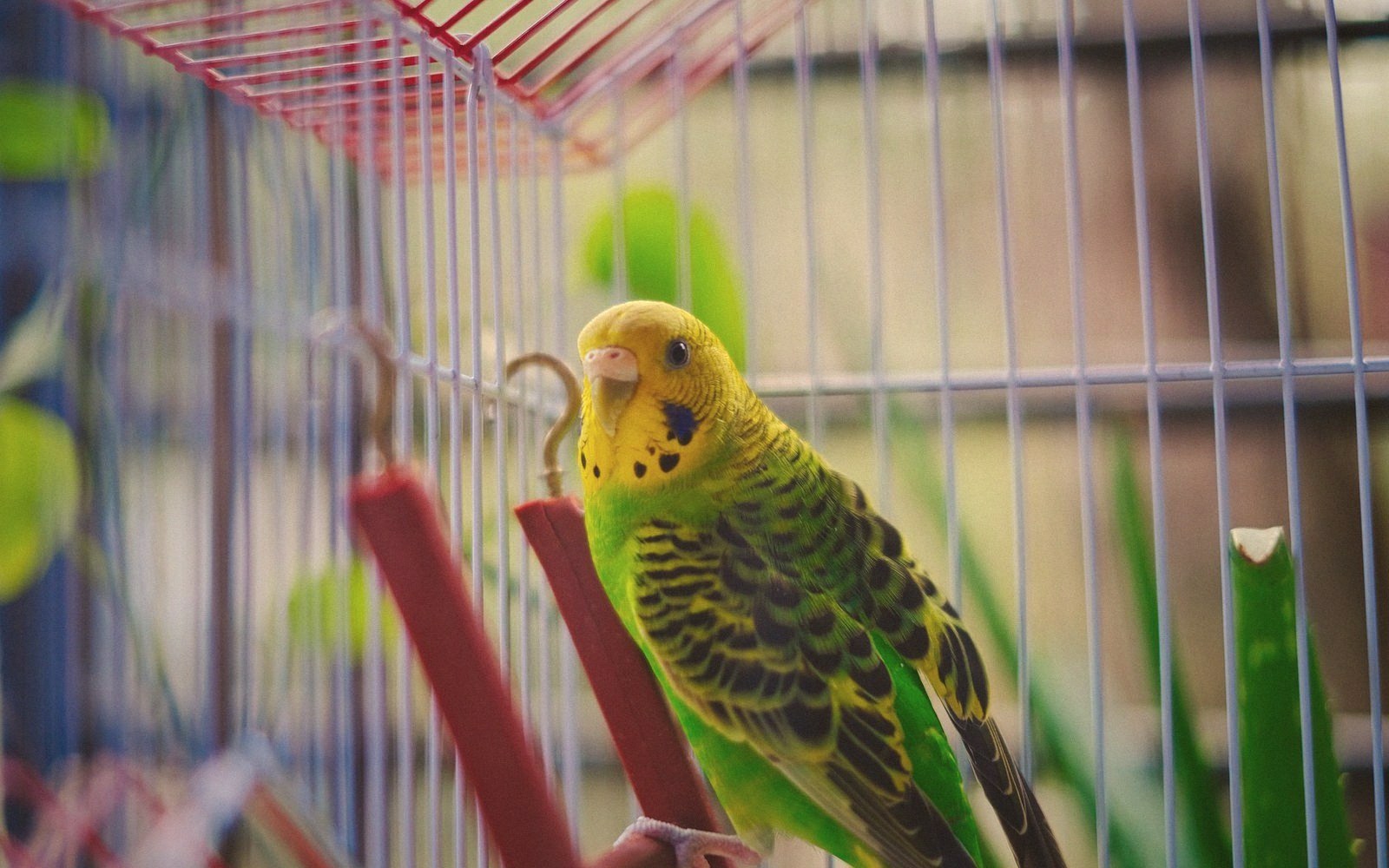
Surfaces matter as much as food. Untreated hardwood — perches, blocks, toys — gives the bird something to drag and hook the beak against. Softer woods like balsa disappear fast and so serve better as destructibles than as maintenance tools; harder timbers like apple, pear or manzanita hold up and keep working. A bird that has to work for food that takes time — forage, shred, pull apart — uses its beak in the process and wears it down.
Cuttlebone, the internal shell of the common cuttlefish, is the traditional go-to, and it still earns its place. The abrasive texture suits small parrots and softbills in particular. Mineral blocks do a similar job. Neither replaces wood, but both add to the variety of textures the beak meets in a day.
Position these things where the bird actually goes. A block wedged into a corner the bird ignores is useless. Watch which perches get used most heavily and put abrasive or chewable material in those zones. Rotate new items in — novelty keeps engagement up, and an untouched toy is wasted surface.
What you are checking for, at each handling session or at least weekly, is symmetry and a clean tip. An even beak with no obvious overhang or crossing is doing its own maintenance. If the upper mandible is beginning to override the lower, or if there is visible asymmetry, that is a question for a vet, not a file. Beak trimming is a clinical procedure. The keeper's job is to provide the conditions that make it unnecessary.
Surfaces and what they provide
- Hard food (whole seeds, nuts in shell, raw firm vegetables)
- primary daily abrasion
- Untreated hardwood perches and blocks
- sustained wear surface between meals
- Balsa and soft destructible woods
- enrichment and light abrasion; replaced frequently
- Cuttlebone
- fine abrasive texture; suits small parrots and softbills
- Mineral blocks
- supplementary abrasive surface
What you are looking for
- Symmetry of upper and lower mandibles
- key visual check at handling
- Clean tip with no overhang
- sign that passive wear is keeping pace with growth
- Crossing or override of either mandible
- stop; the question belongs to a vet
EVBB is an independent publication about routine animal husbandry. It is not a veterinary service and offers no medical advice. For any health concern, consult a qualified veterinarian.