Food that takes time
Turn a portion into a puzzle and eating becomes the longest part of the day.

The case for slowing it down
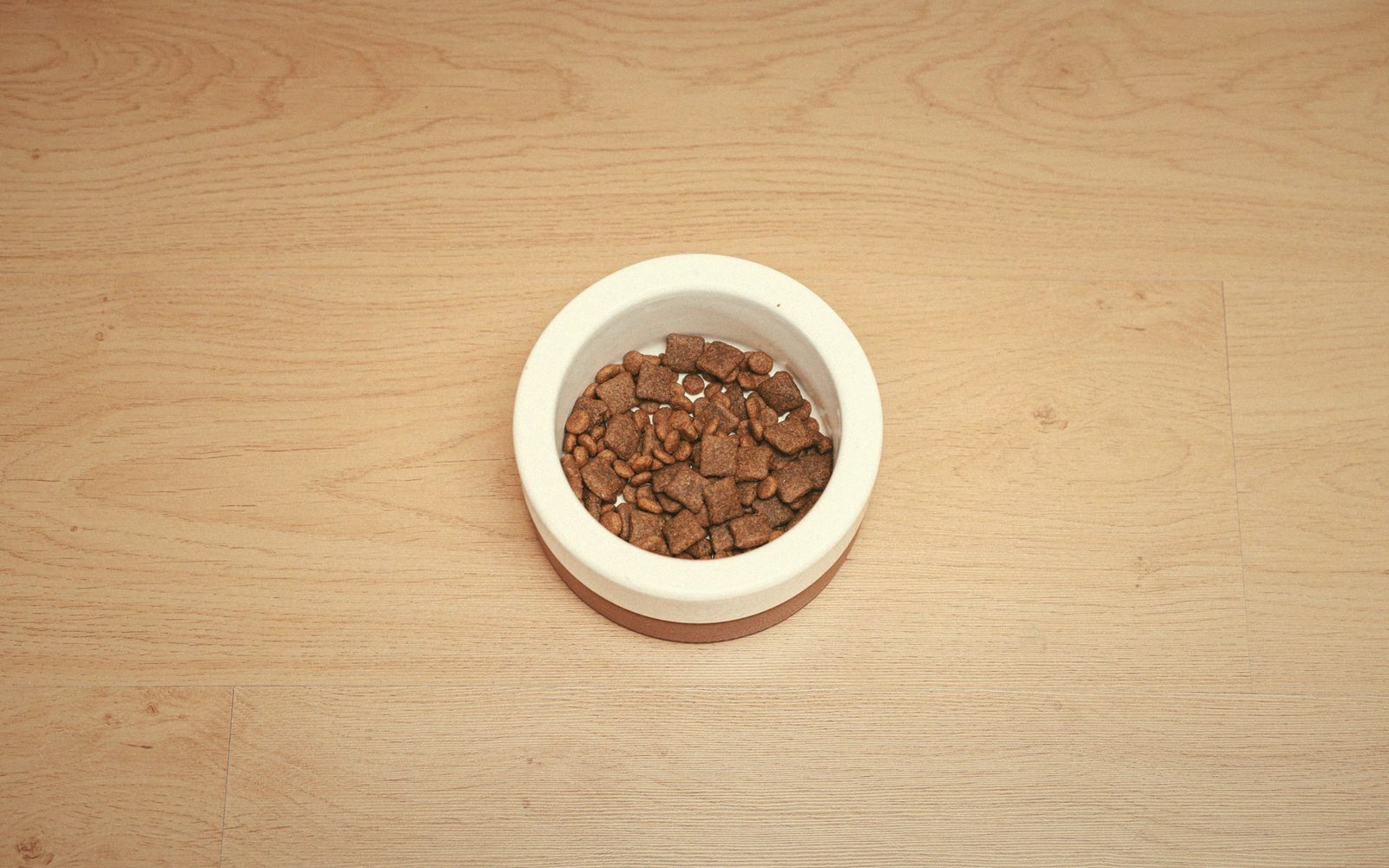
Most captive animals eat far faster than they should. A dog empties a bowl in ninety seconds; a parrot shucks seeds in a few minutes; a rabbit given pellets alone is done before it has properly started. The speed is the problem. In the wild, finding food is most of what an animal does — the cognitive and physical effort of foraging takes hours. Remove that effort and the animal has a full stomach and nothing left to do, which is when repetitive or destructive behaviour tends to appear.
The fix is simple enough to feel like it cannot possibly work: make the food harder to reach. Scatter a portion across a textured surface and the animal must sniff, root, pick and move. Hide it inside a folded piece of cardboard and they must tear it open first. Wedge it between objects and they must problem-solve before they can eat. None of this requires expensive equipment. What it requires is a keeper who plans the portion before putting it down rather than after.
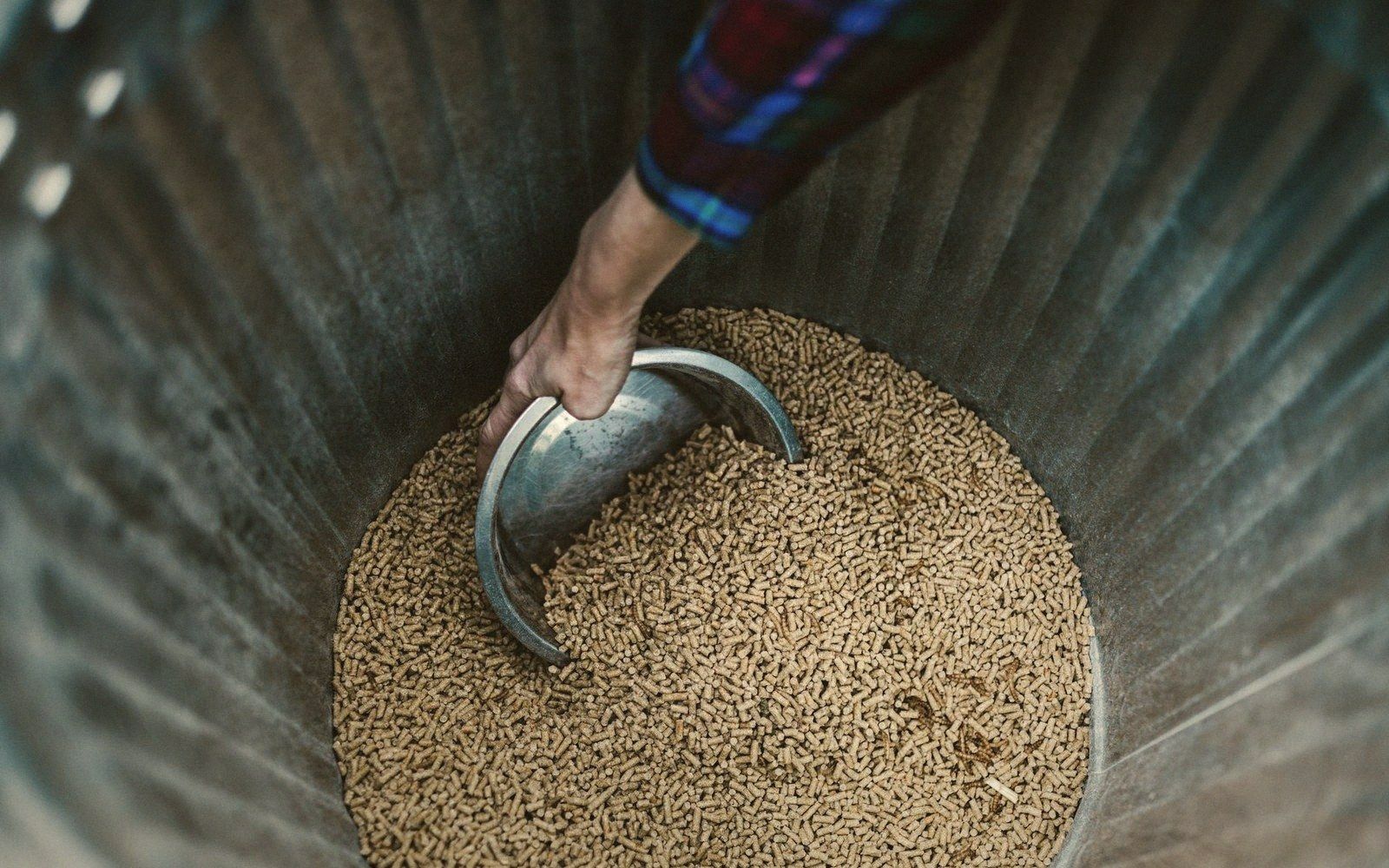
Scattering works across more species than people expect. Dry dog food broadcast across a snuffle mat can extend eating time dramatically — the nose is doing real work. Rabbit pellets scattered across hay pull a rabbit into the material it should be eating anyway, which is a useful double effect. Budgies and cockatiels given seed scattered across the cage floor rather than presented in a dish forage the way their wild relatives do. For reptiles, covering food lightly with substrate so they have to locate it by scent adds occupation to a feeding that would otherwise last seconds.
Wrapping adds a layer on top of hiding. A small amount of food folded into a paper twist or tucked inside a loosely rolled tube means the animal must first defeat the packaging. The materials need to be safe — unbleached paper, plain cardboard, untreated dried leaves — but the principle scales from a rat to a macaw. Adjust the difficulty to the animal: too easy and it is gone in moments; too hard and the animal gives up, which defeats the point. The goal is effortful success, not frustration.
Rotation matters here too. The same hiding method every day becomes a known pattern, which the animal solves quickly and without much engagement. Vary where food is hidden, what it is wrapped in, and which surface it is scattered across, and novelty does most of the work for you. The portion is the same. The time it takes is not.
Key principle
- Effortful success
- the animal should work for the food and reach it; the goal is occupation, not deprivation
EVBB is an independent publication about routine animal husbandry. It is not a veterinary service and offers no medical advice. For any health concern, consult a qualified veterinarian.