Water is the boring one
Changed daily, scrubbed weekly, and the container you choose matters more than most people think.
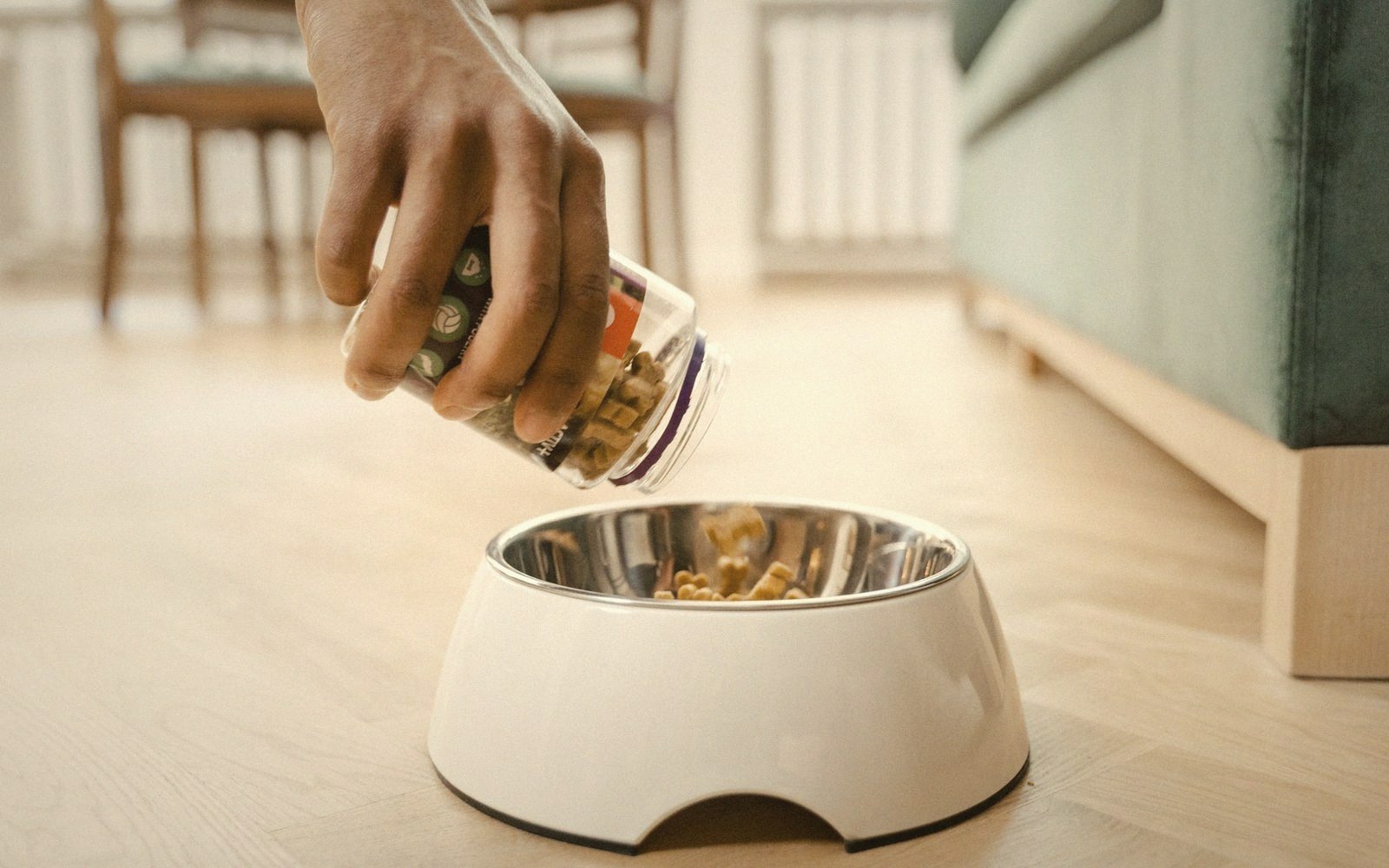
What the routine actually is
Water seems like the maintenance that runs itself. It doesn't. Still water in a bowl accumulates bacteria, biofilm and saliva residue within hours, and an animal that avoids its water source is usually telling you something about the bowl rather than being difficult. The schedule is simple: tip it out and refill it every day, without exception. Not top it up — empty it, rinse it, refill.
Once a week the container gets scrubbed with a brush and hot water. Dish soap is fine provided you rinse it away completely; residue affects taste and some animals will refuse the bowl entirely if they detect it. A bottle brush reaches the inside of drinker tubes and sipper valves, which collect biofilm faster than open bowls because the tube stays wet and enclosed. Run hot water through the tube after scrubbing until the water runs clear.
Why material matters
The container itself is not neutral. Plastic scratches with use, and those scratches harbour bacteria that a wipe-down won't shift — which is why a plastic bowl that has been in service for a year may smell slightly off even after washing. Stainless steel and ceramic are both harder surfaces; they clean better, stay cleaner longer, and give you an honest reading of whether the bowl is actually clean. Glass sits in the same category as ceramic.
For small animals using sipper bottles, the bottle body is typically plastic, so replacing it when it becomes visibly scratched or clouded is the sensible move. The metal spout is more durable and can be scrubbed rather than replaced.
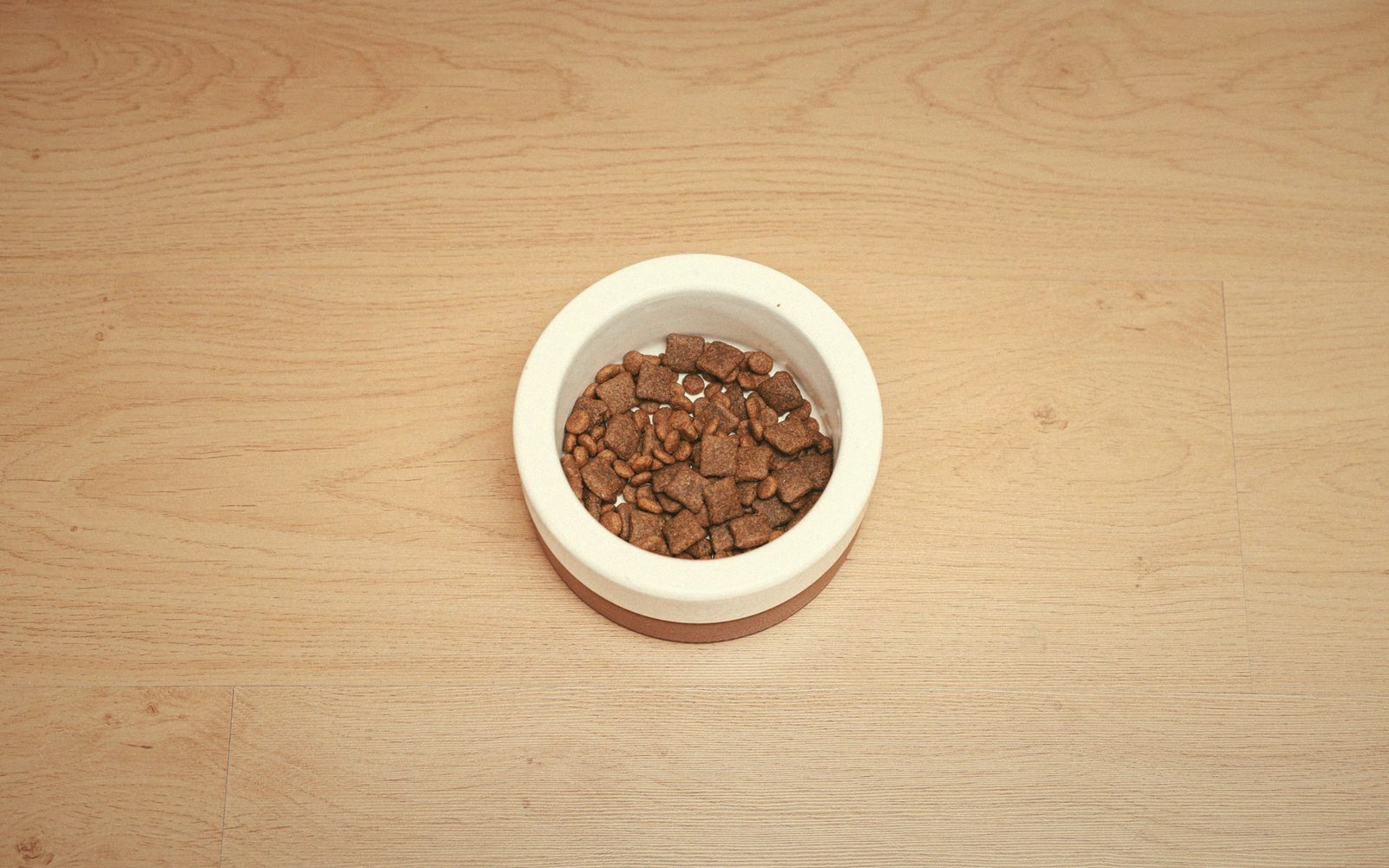
Bowl size and placement matter too. A bowl wide enough that the animal can drink comfortably without whiskers hitting the sides — relevant for cats and rabbits especially — will be used more readily. Position the bowl away from the feeding area in an enclosure so substrate or food particles don't contaminate it, and away from perches or branches where birds will otherwise soil it directly.
Reptiles are a partial exception: many drink from standing water only reluctantly, and a water dish also functions as a soak. The dish needs the same daily tip-and-rinse; it just tends to foul faster because animals will defecate in it, which brings the cleaning forward regardless of schedule.
The discipline is dull. It works because it is reliable, not because it is clever. A clean, freshly filled bowl every morning is one of the smaller things that is also one of the non-negotiable ones.
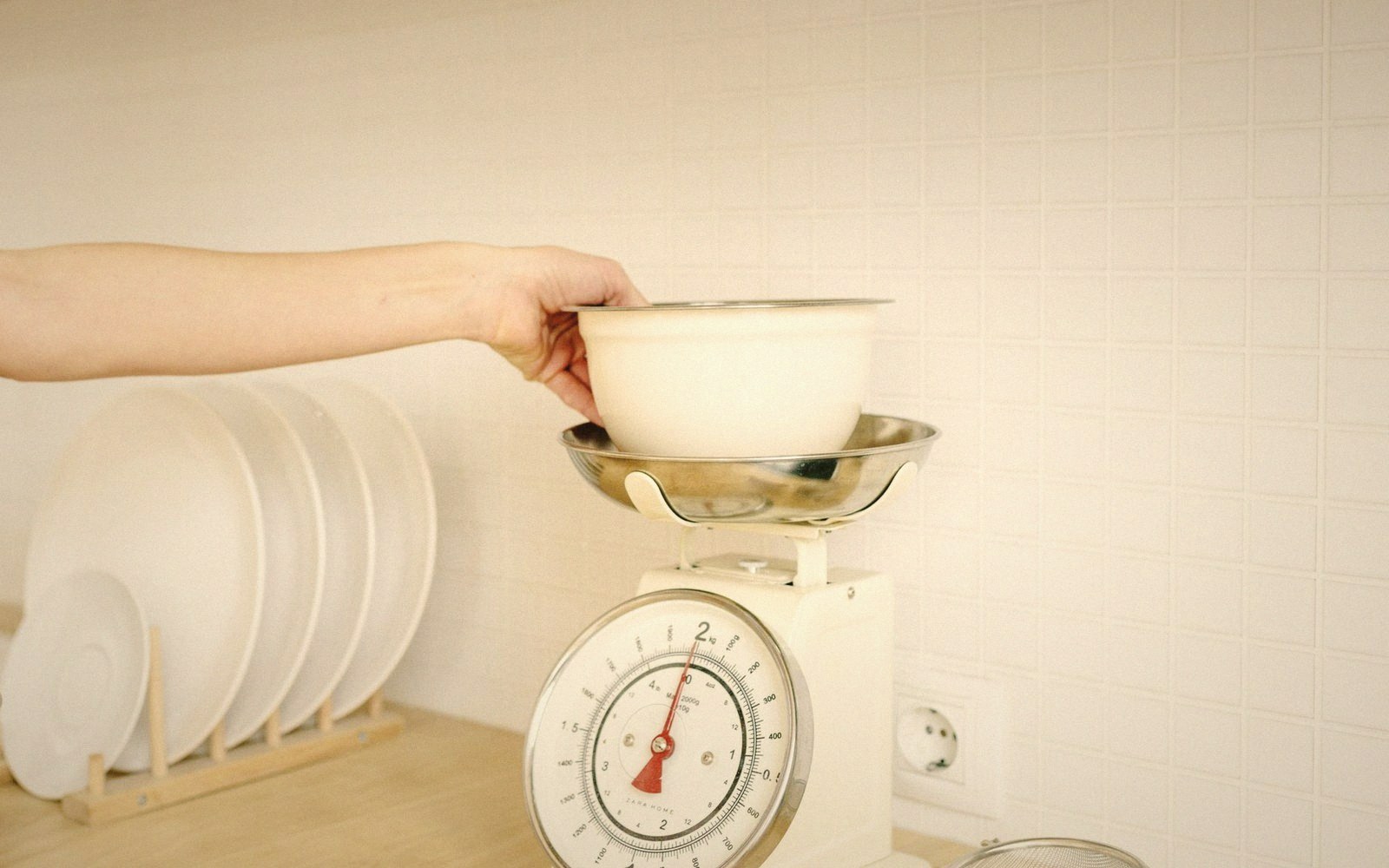
The weekly method
- Tip and rinse
- daily, every container, no exceptions
- Scrub with brush and hot water
- weekly minimum
- Rinse soap residue completely
- taste and chemical sensitivity vary by species; residue causes avoidance
- Bottle tubes
- use a bottle brush; run hot water through until clear after scrubbing
Material at a glance
- Plastic
- scratches with age; scratches hold bacteria; replace when clouded or visibly worn
- Stainless steel
- hard surface, cleans thoroughly, long-lived
- Ceramic / glass
- same practical advantage as steel; heavier, which reduces tipping in an enclosure
- Sipper bottle spout (metal)
- scrub and reuse; replace the plastic body when scratched or clouded
EVBB is an independent publication about routine animal husbandry. It is not a veterinary service and offers no medical advice. For any health concern, consult a qualified veterinarian.