Free feeding, and what it hides
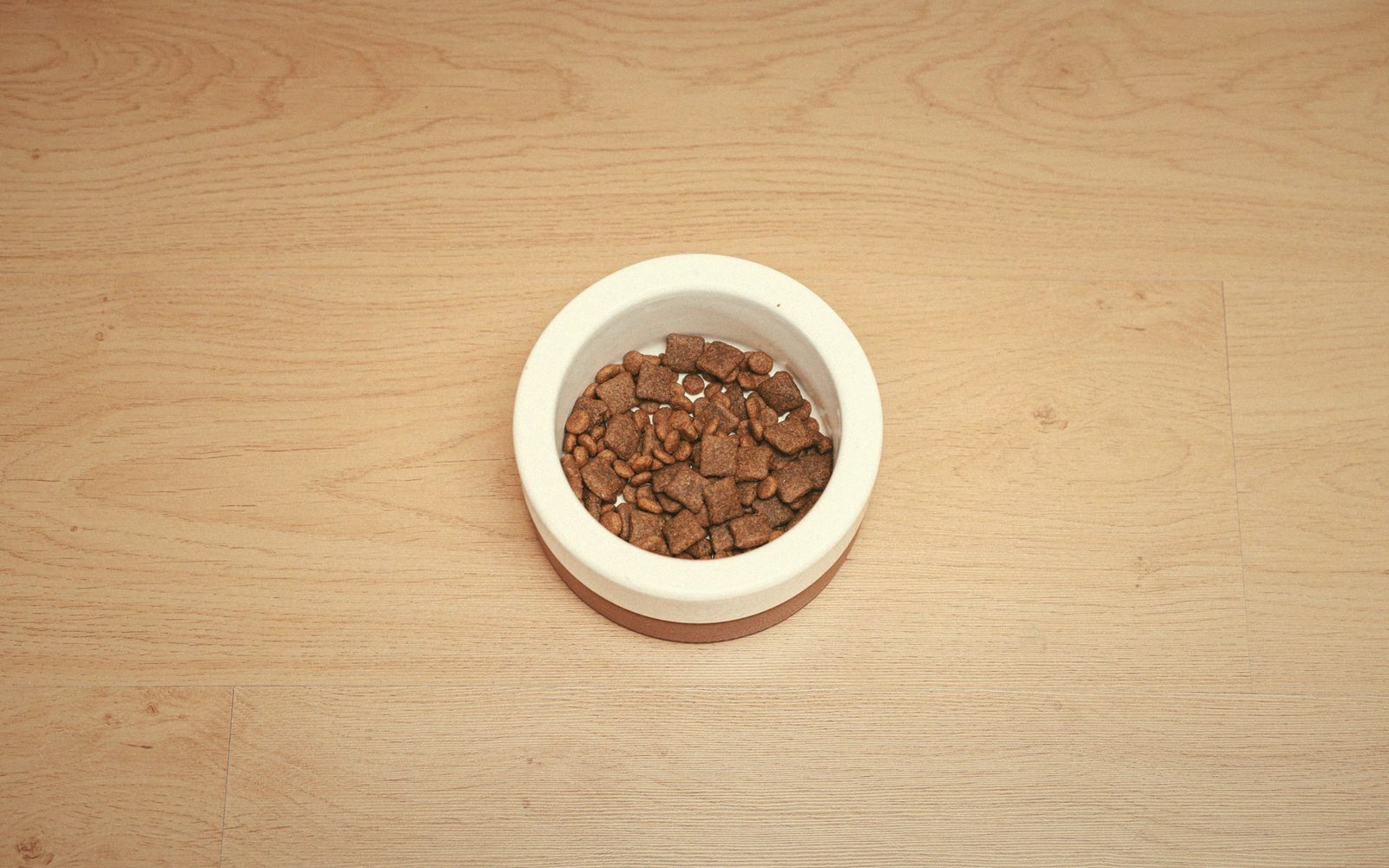
Top up the bowl whenever it empties and you lose the only reliable measure you had.
The problem is not the food, it is the record
Free feeding feels generous. The bowl is never empty, the animal never complains, and you never have to think about it. That is exactly what makes it a problem. When food is available continuously and replenished by feel rather than by measure, you have no idea how much is actually being eaten on any given day. A cat who was consuming a normal amount on Monday and half that amount by Thursday looks, at a glance, exactly the same — the bowl stays roughly full either way, because you keep topping it up.
Appetite is one of the clearest early signals that something is off. It is not a diagnostic tool in your hands — that belongs to a vet — but knowing that intake has changed gives you something real to report and a timeline to give. Free feeding erases that information entirely. You cannot report a change you did not measure.
The same logic applies to multi-animal households, where it compounds. With two cats and one bowl, you do not know which animal ate what. One could be eating for both of them. The bowl still empties at roughly the same rate and you still see nothing.
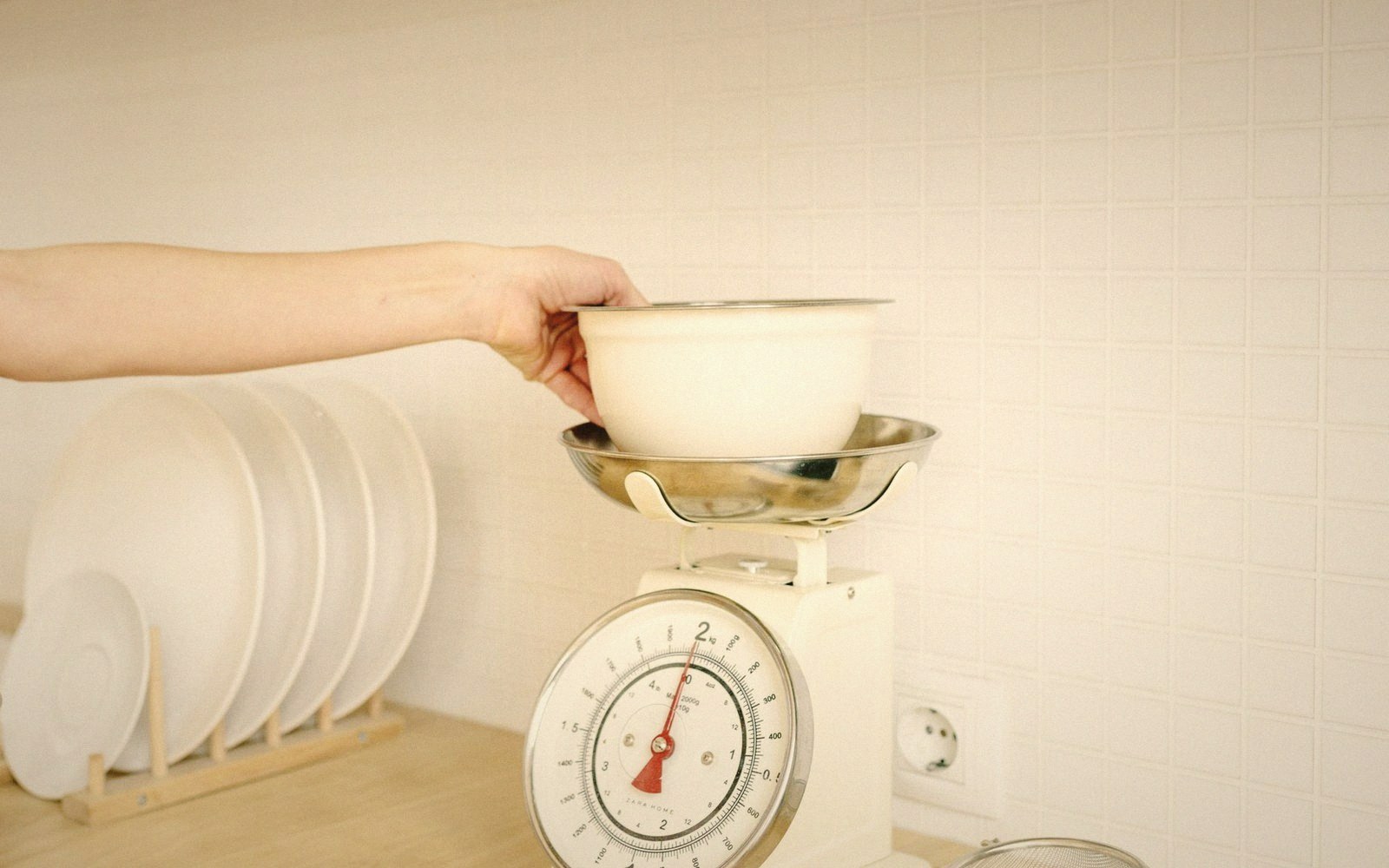
Scheduled meals fix this at a stroke. Put down a measured portion — weighed, not scooped — at the same time each day, leave it for the time it takes the animal to eat, then lift it. What is left tells you something. An empty bowl tells you something different. Over days, a pattern becomes visible, and a break in that pattern is the kind of specific, dated observation that is actually useful.
The objection most people raise is that their animal will pester them between meals or that they feel cruel withholding access. Both feelings are normal and both pass within a few days as the animal adjusts to the rhythm. Most dogs and cats adapt to two meals a day without difficulty. The pestering is a learned behaviour tied to the previous routine, not evidence that the animal is suffering.
The bowl itself does not need to change. The habit around it does. Measure before you pour, watch what is eaten, and note anything unusual in the same place you would note anything else about the animal's day. That note does not need to be formal — a line in a phone memo is sufficient. What matters is that the information exists somewhere other than the impression that the bowl looked about the same as usual.
What changes when you switch from free-feeding to scheduled meals
- Measure byweight, not volume, before pouring
- Fixed times, same each day
- Bowl lifted after the meal; what remains is noted
- In multi-animal homes: separate bowls, ideally separate spaces
- Changes in intake noted with a date, reported to a vet if the pattern holds
EVBB is an independent publication about routine animal husbandry. It is not a veterinary service and offers no medical advice. For any health concern, consult a qualified veterinarian.