Smell is information
If the enclosure smells after a clean, the problem is not cleanliness — it is airflow or substrate.
What the smell is actually telling you
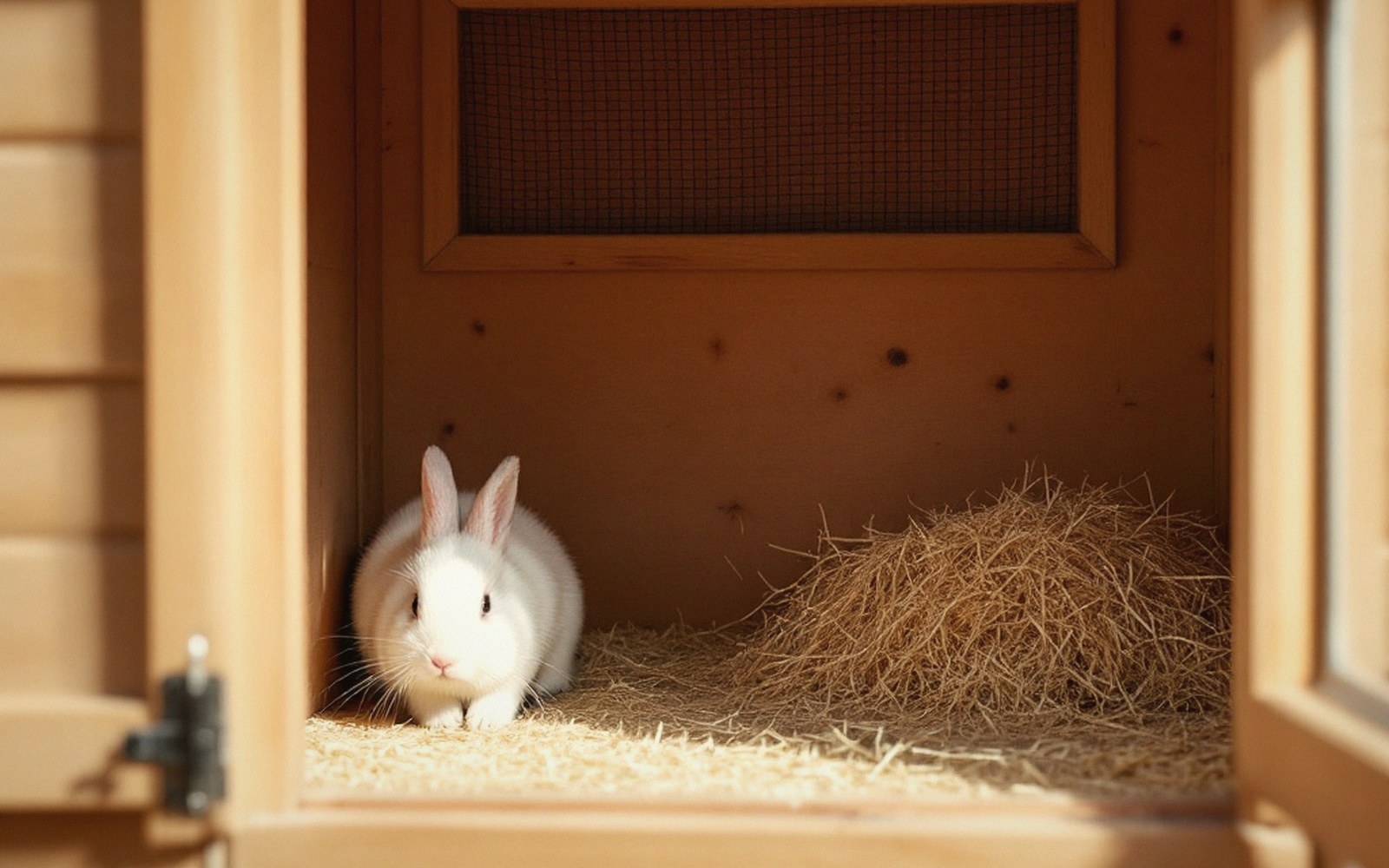
Ammonia builds up from urine breakdown. In a well-ventilated enclosure with the right substrate, it disperses before it concentrates. When you can smell it — even after a thorough clean — the cage is trapping it, the bedding is holding it, or both. More frequent scrubbing treats the symptom. It does not fix the trap.
The first question is airflow. Solid-sided enclosures, tanks repurposed for small mammals, and hutches pushed against walls all restrict the air exchange that carries ammonia away. A fine wire mesh panel on at least one face, positioned so air moves across rather than just upward, makes a measurable difference. If the enclosure sits in a corner with three sides enclosed and the ventilation face pointing at a wall, no amount of cleaning recovers the situation.
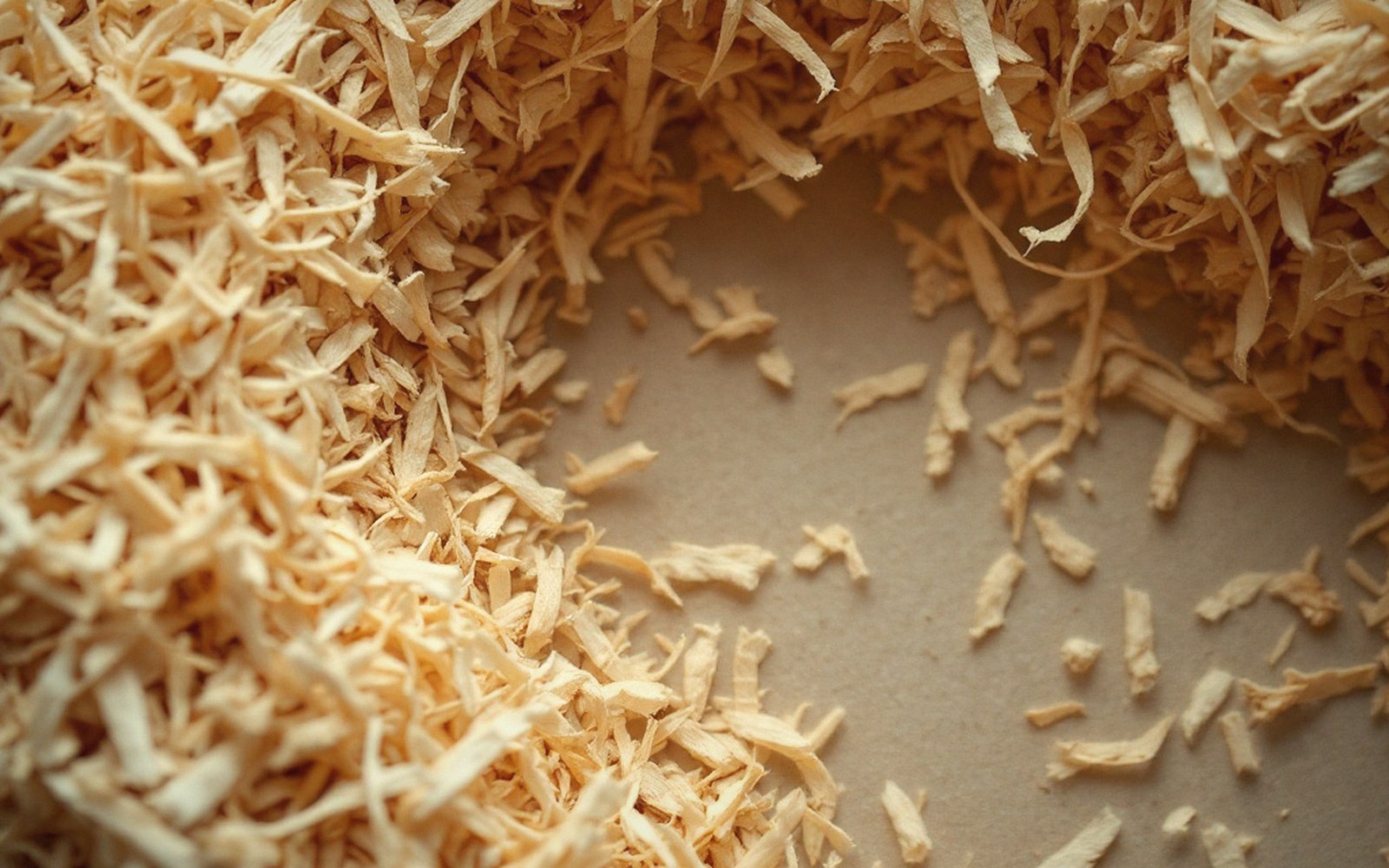
The second question is substrate. This matters more than most keepers expect. What goes on the floor determines how ammonia is absorbed, how it is held near the surface, and how fast it escapes into the surrounding air. A substrate that absorbs moisture but seals it — compressed paper pellets packed deep, for instance — can smell worse after a clean than before one, because disturbance releases what was locked in. A substrate that wicks moisture down and keeps the surface dry performs differently. The key variable is not depth alone but the material's behaviour once saturated.
Spot removal is daily work precisely because small animals urinate in particular corners repeatedly. Removing that material every day before it reaches saturation keeps the substrate cycle honest. A daily and weekly rhythm — targeted removal each day, full strip on a fixed schedule — generally outperforms the single large clean that gets deferred.
Ventilation and substrate together decide whether the enclosure is manageable. If both are right, smell is residual and clears within minutes of a clean. If you are still catching ammonia an hour later with the room aired, something structural has not been solved. Work through airflow first — it is the cheaper fix — then reconsider the substrate material rather than its depth. Adding more of the wrong thing does not change its behaviour; it just gives it more volume to saturate.
The enclosure tells you what it needs. Persistent smell after a proper clean is not failure; it is a diagnostic — and it is pointing at something other than effort.
The two questions
- Airflow
- is the ventilation face clear, and does air actually move across the enclosure rather than just sitting above it?
- Substrate
- does the material wick moisture away from the surface, or does it hold it where it can be disturbed?
EVBB is an independent publication about routine animal husbandry. It is not a veterinary service and offers no medical advice. For any health concern, consult a qualified veterinarian.